Attention
No longer available.Harbor Tug - Scrap (55 Tons)
Welcome to Salvex Marketplace where you can buy surplus, salvage, and discounted ship breakers and scrap vessels as part of a commercial repurposing strategy.
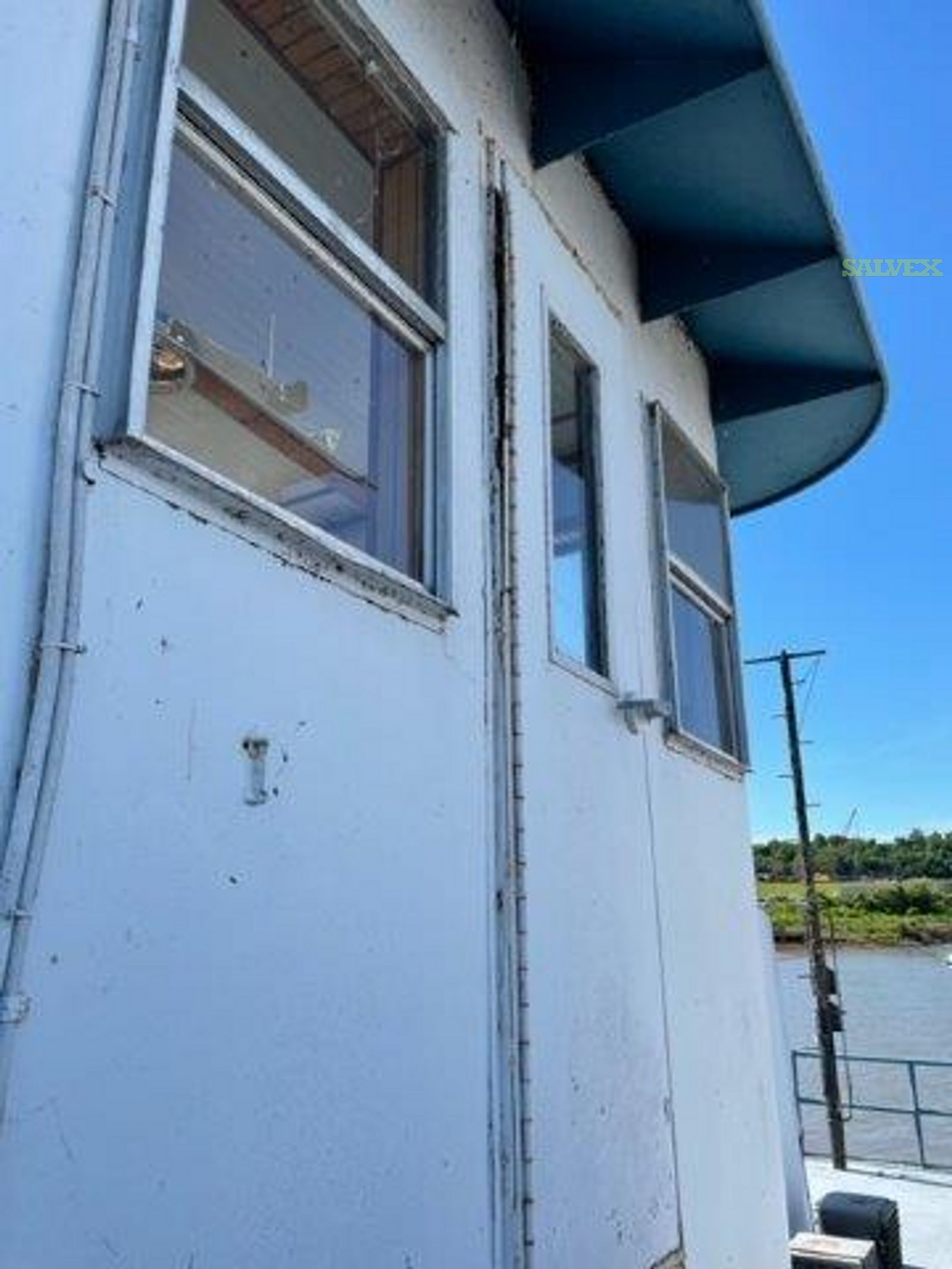
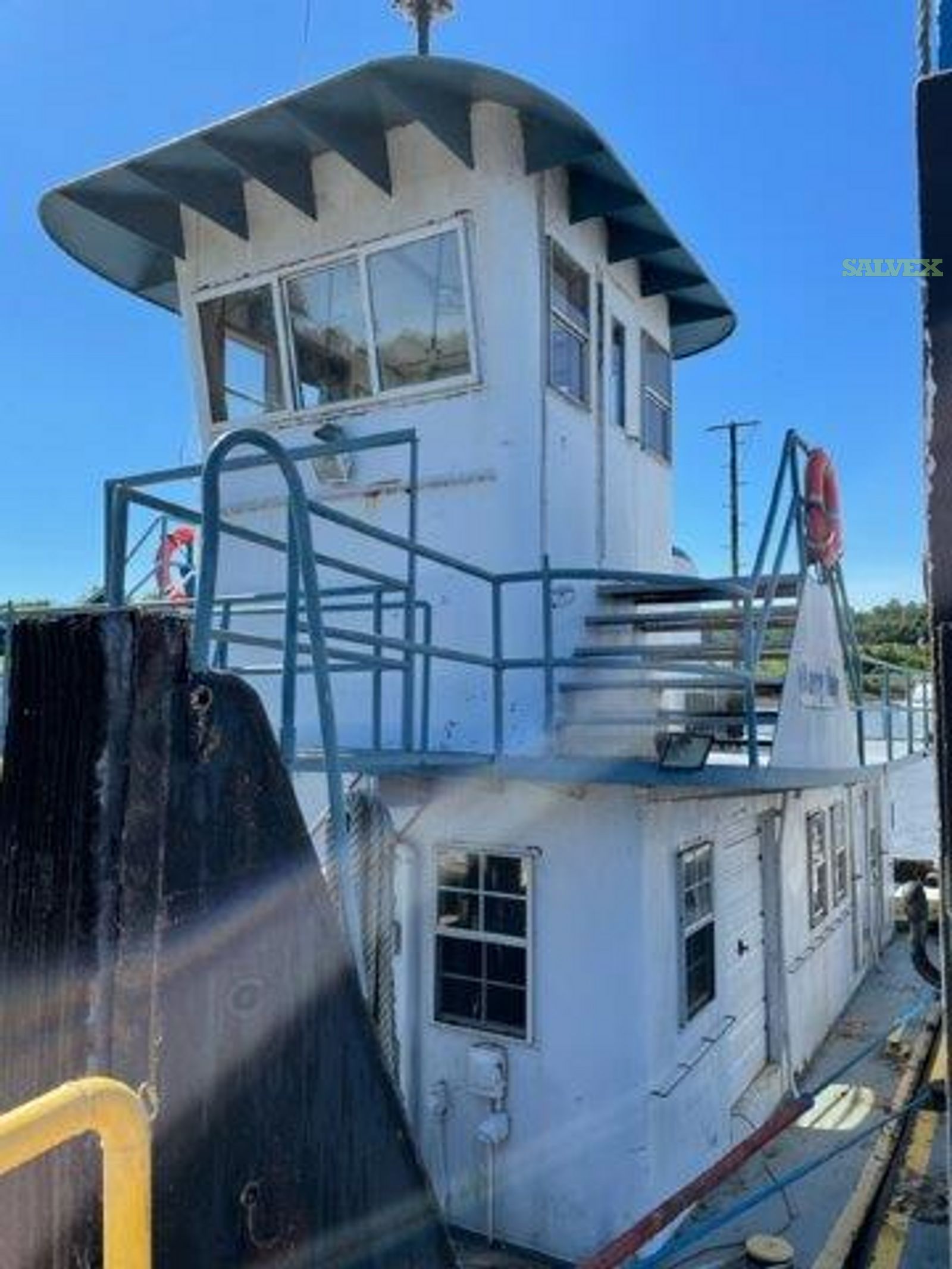
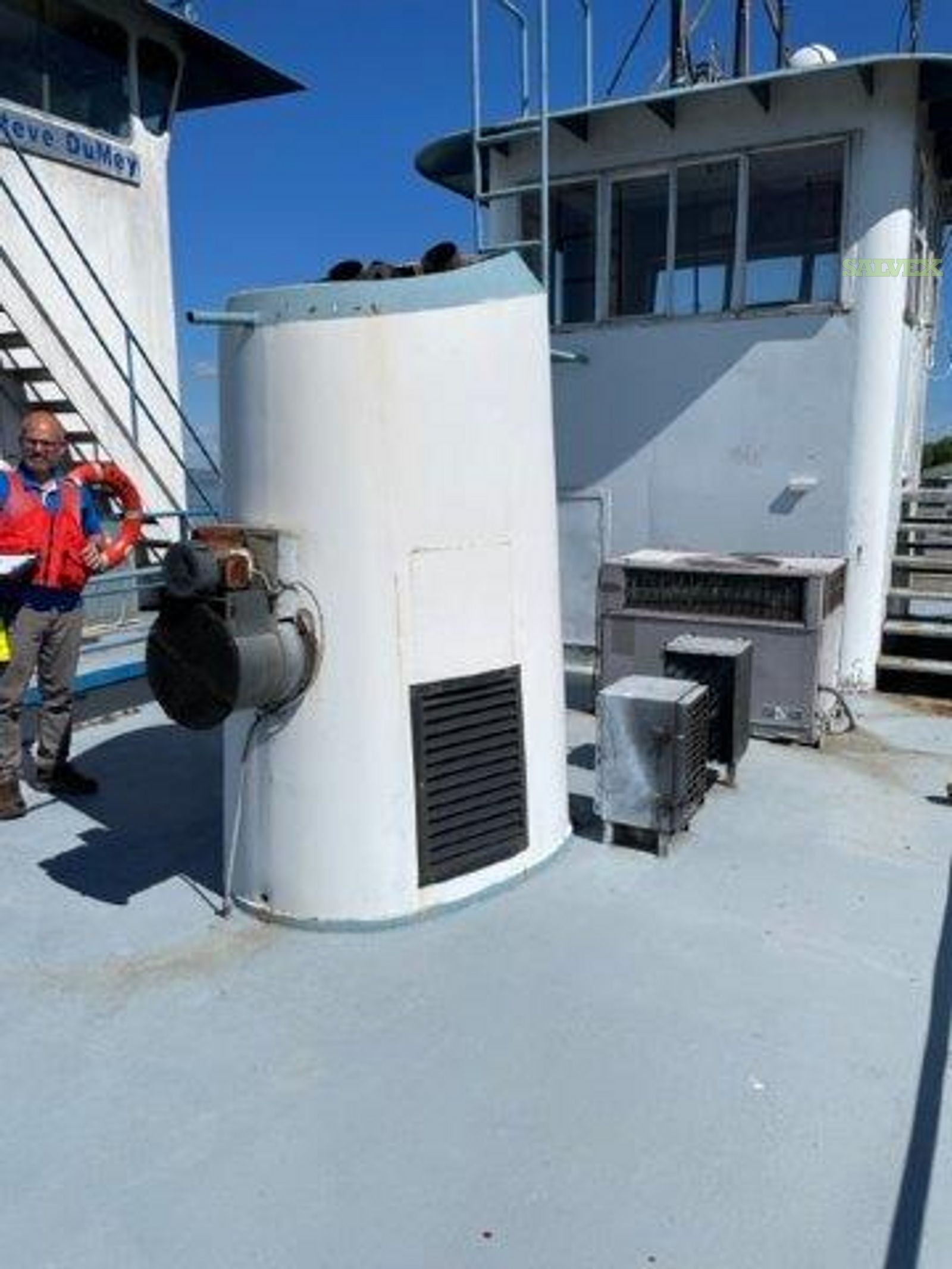
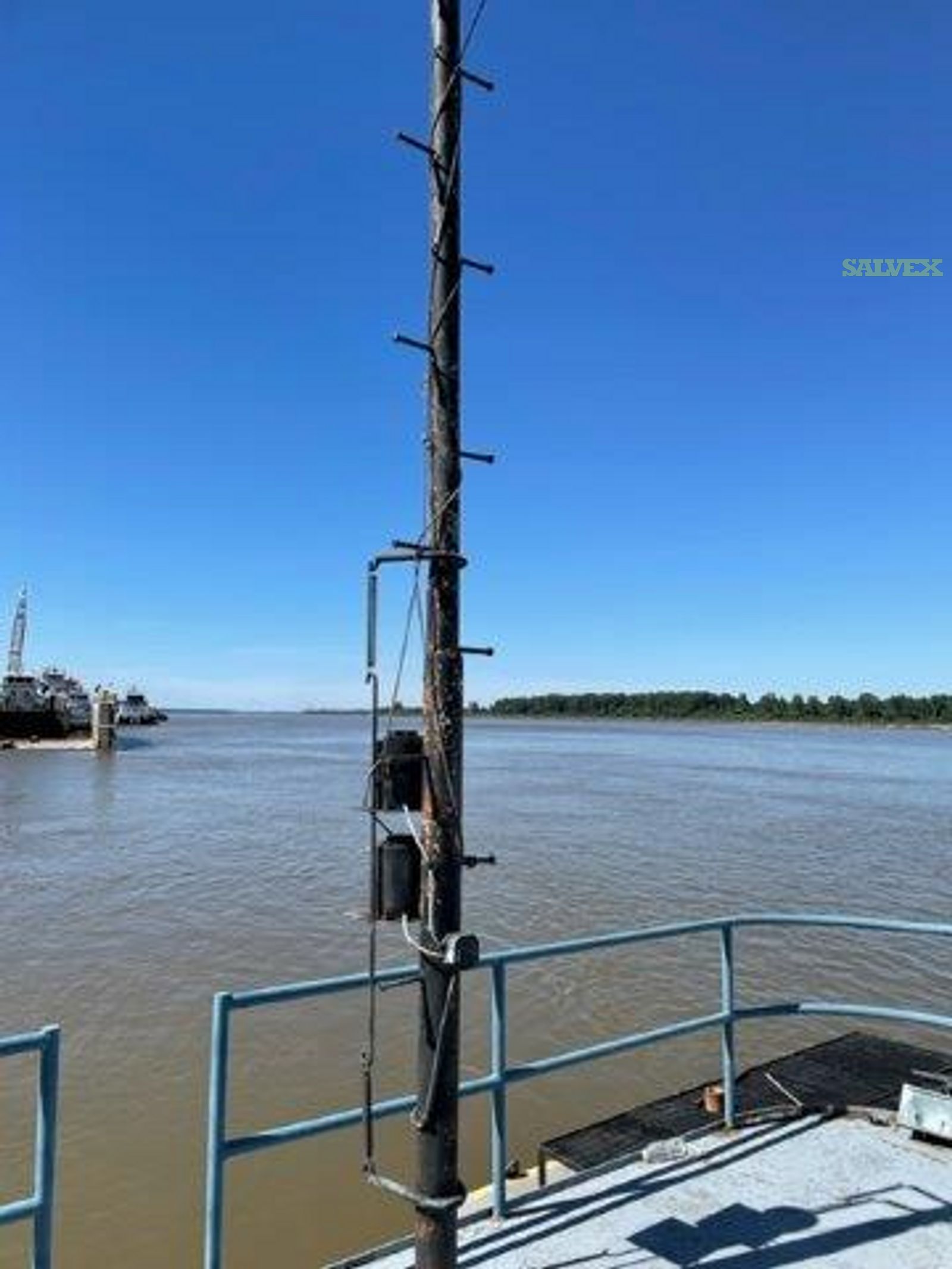
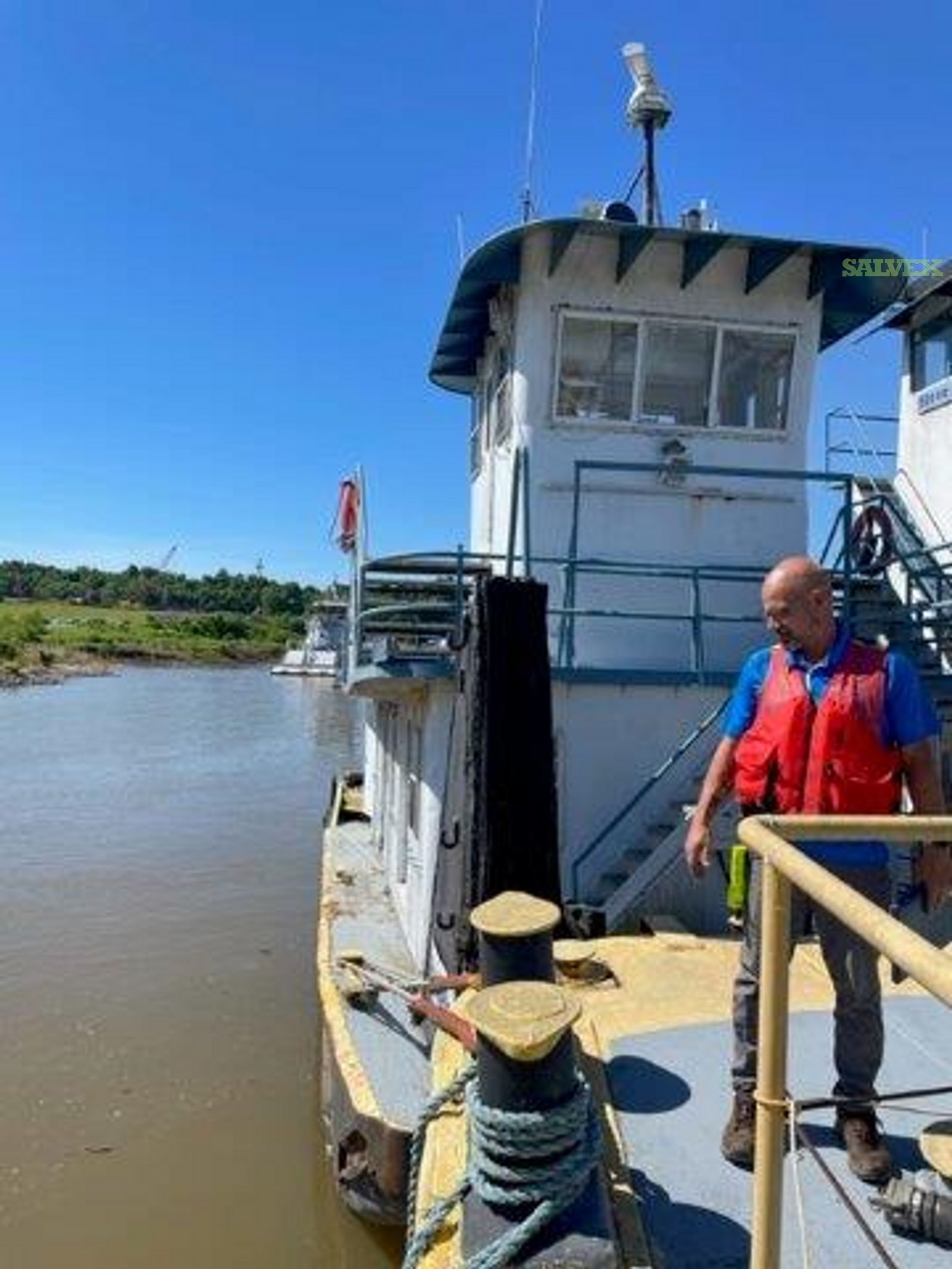
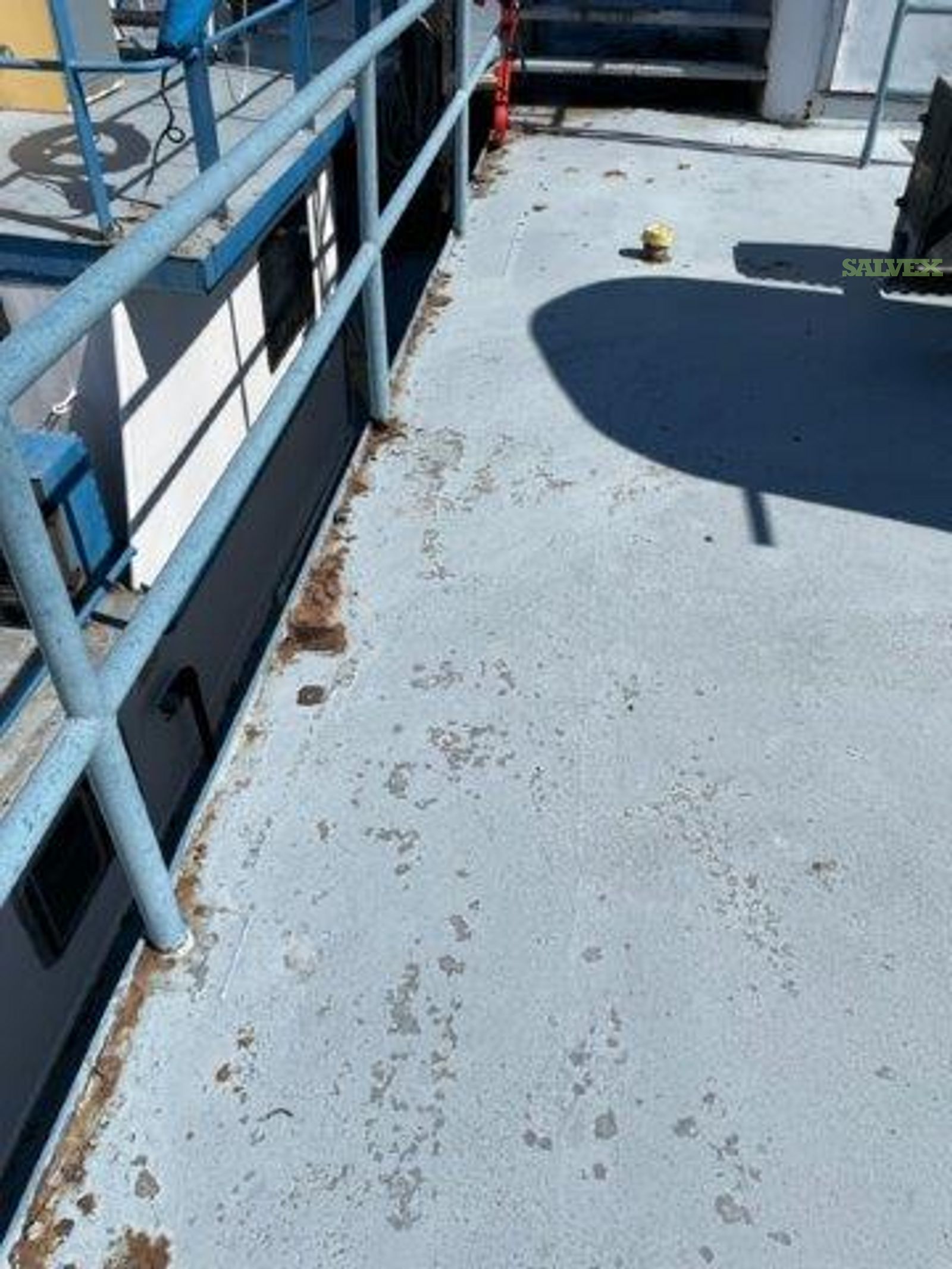
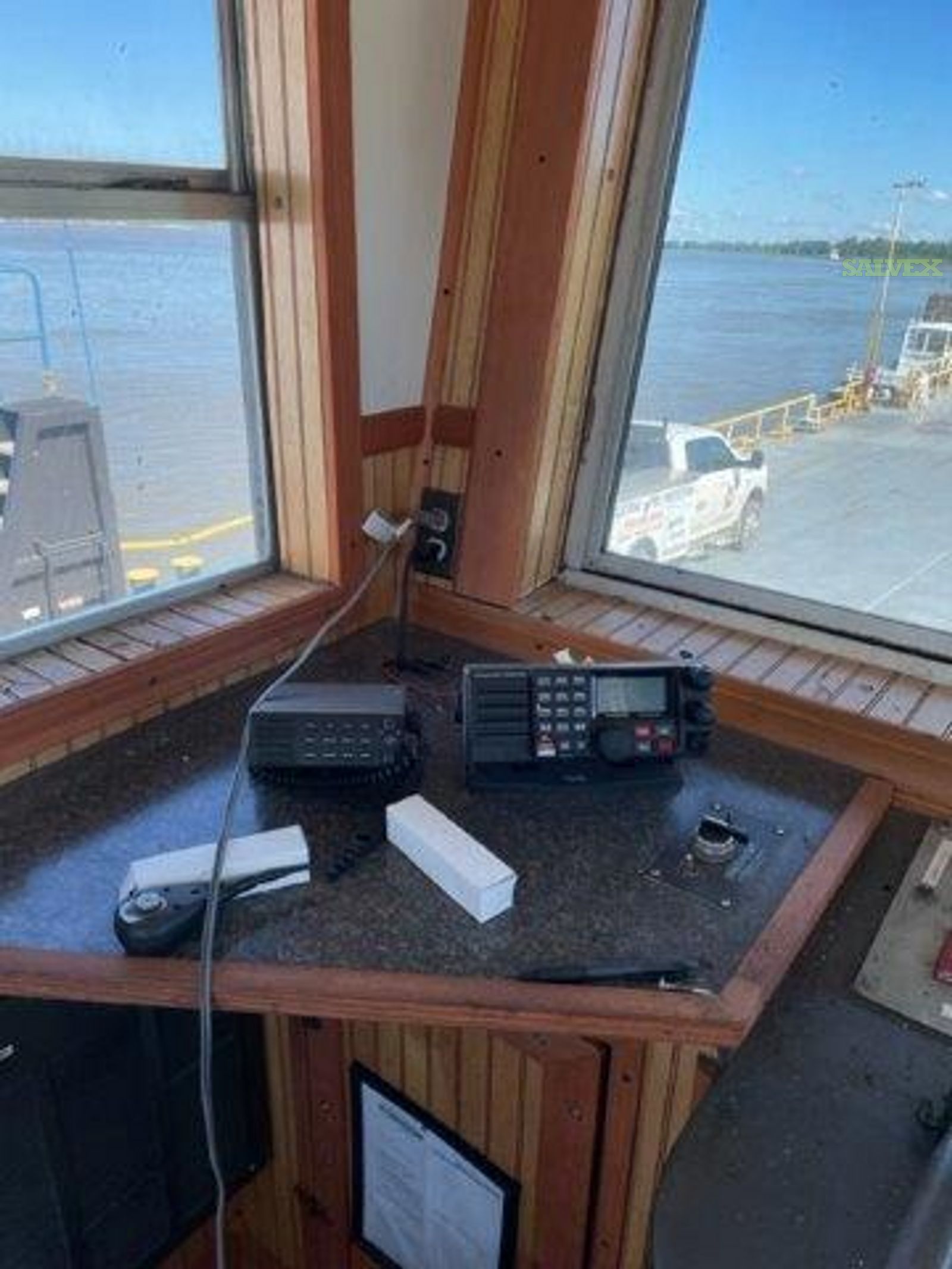
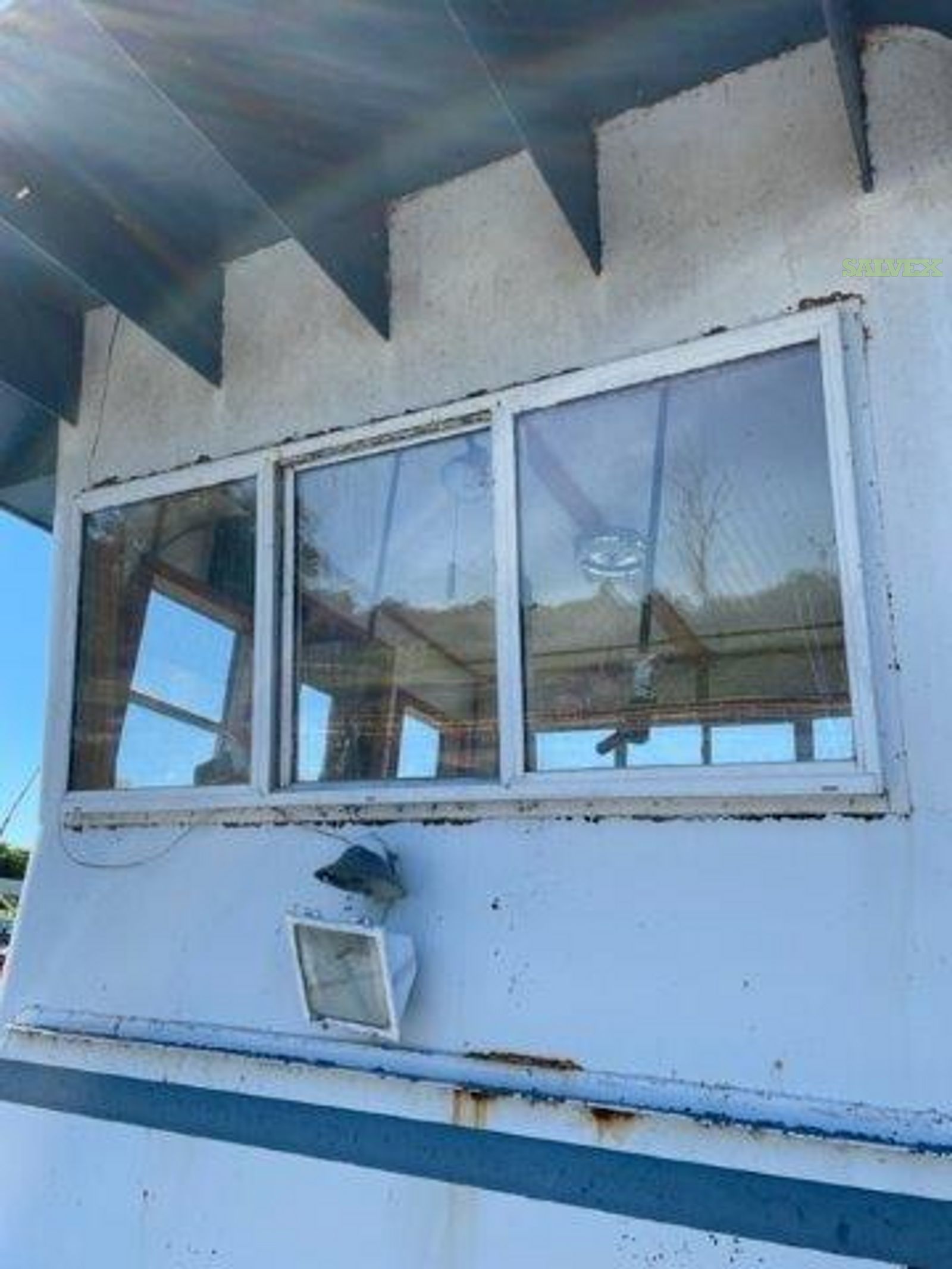
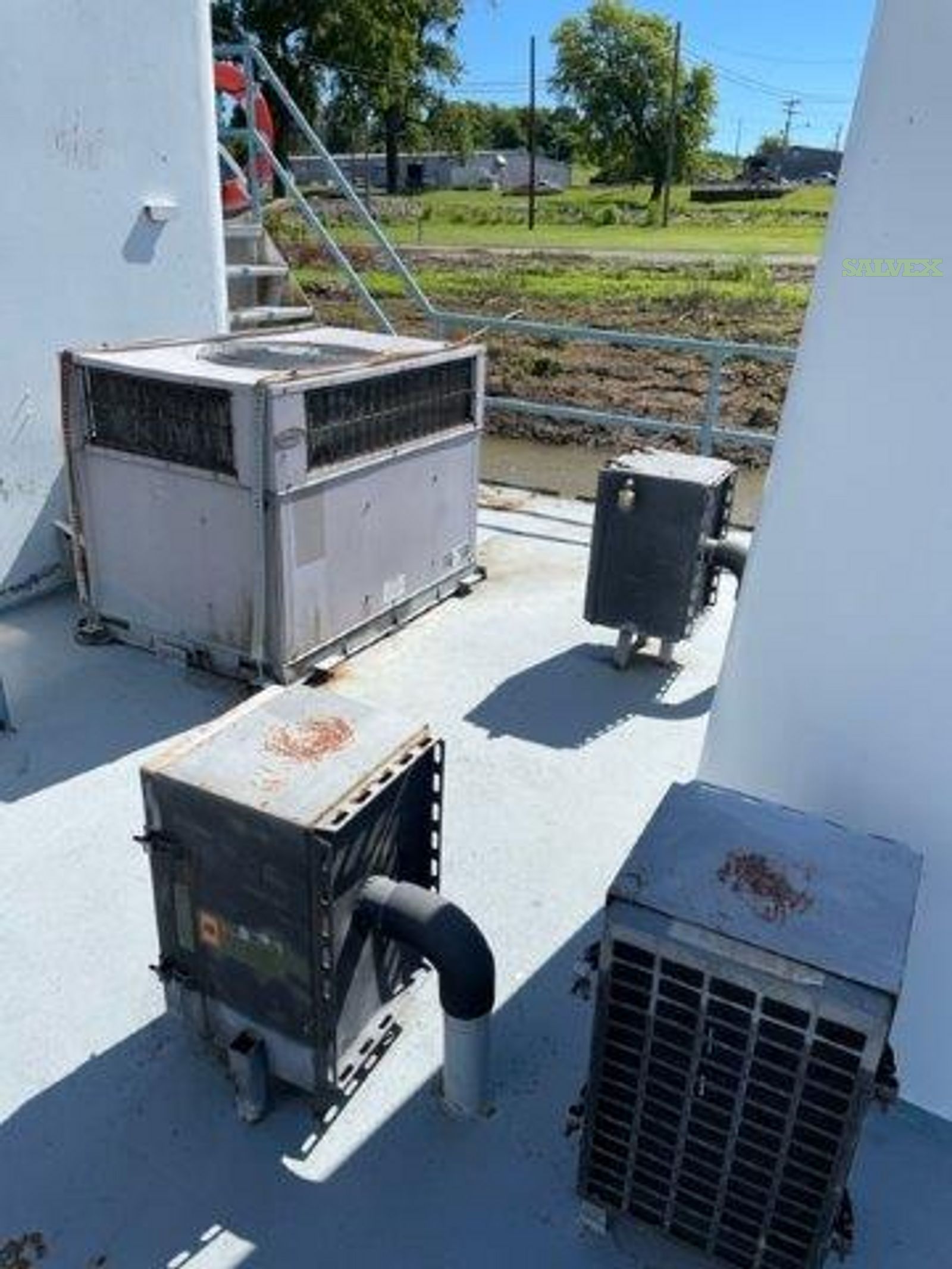
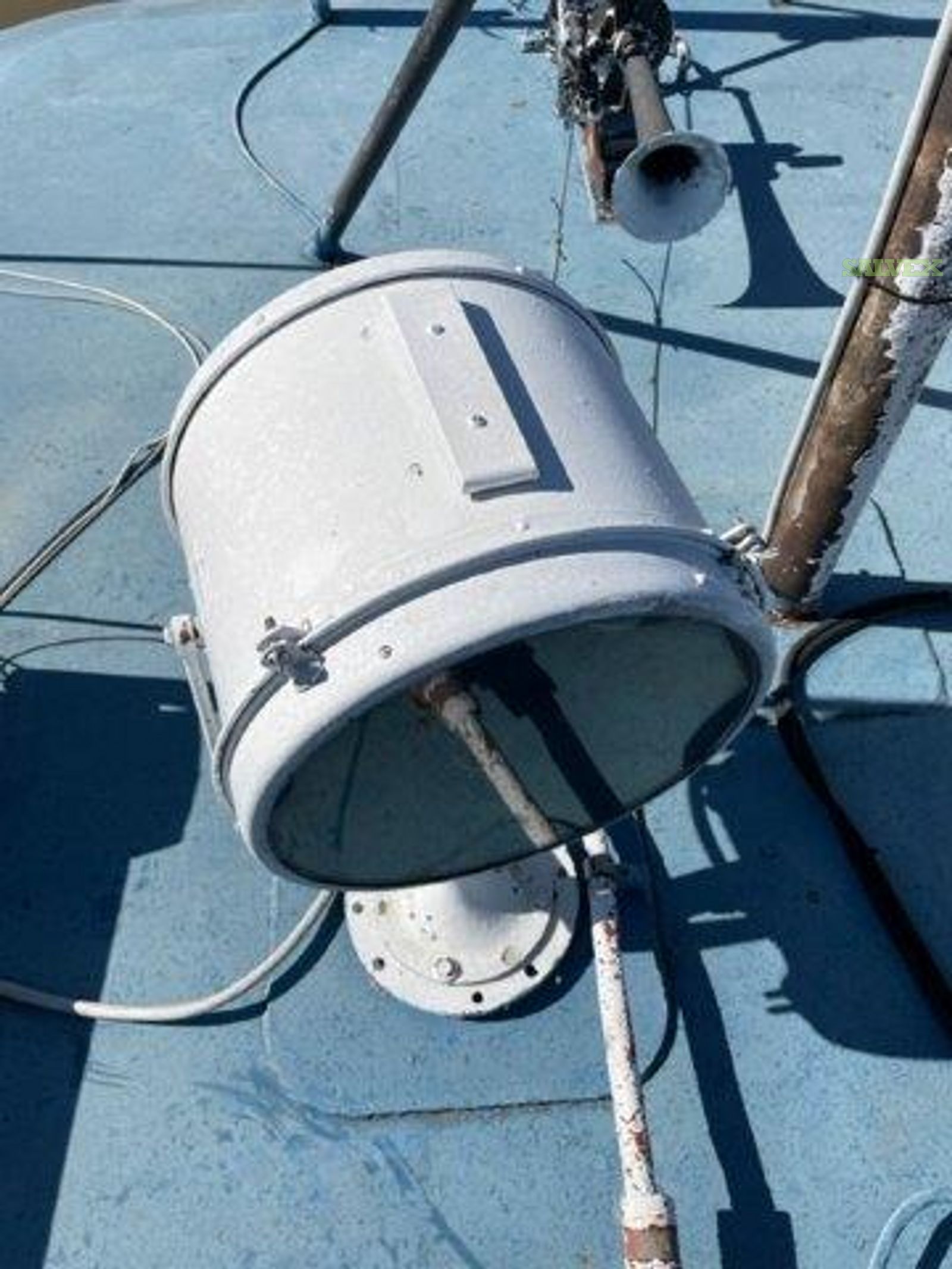
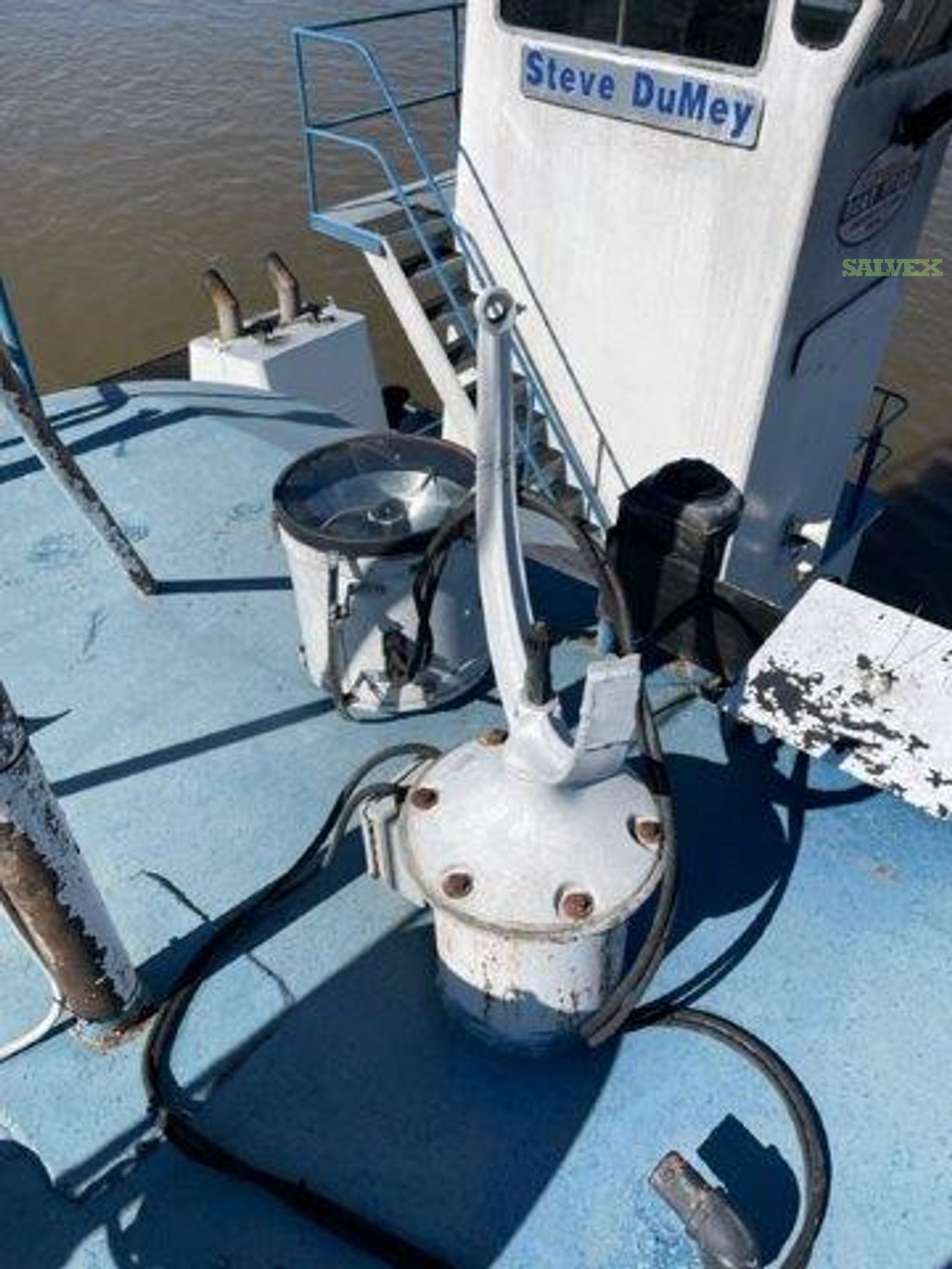
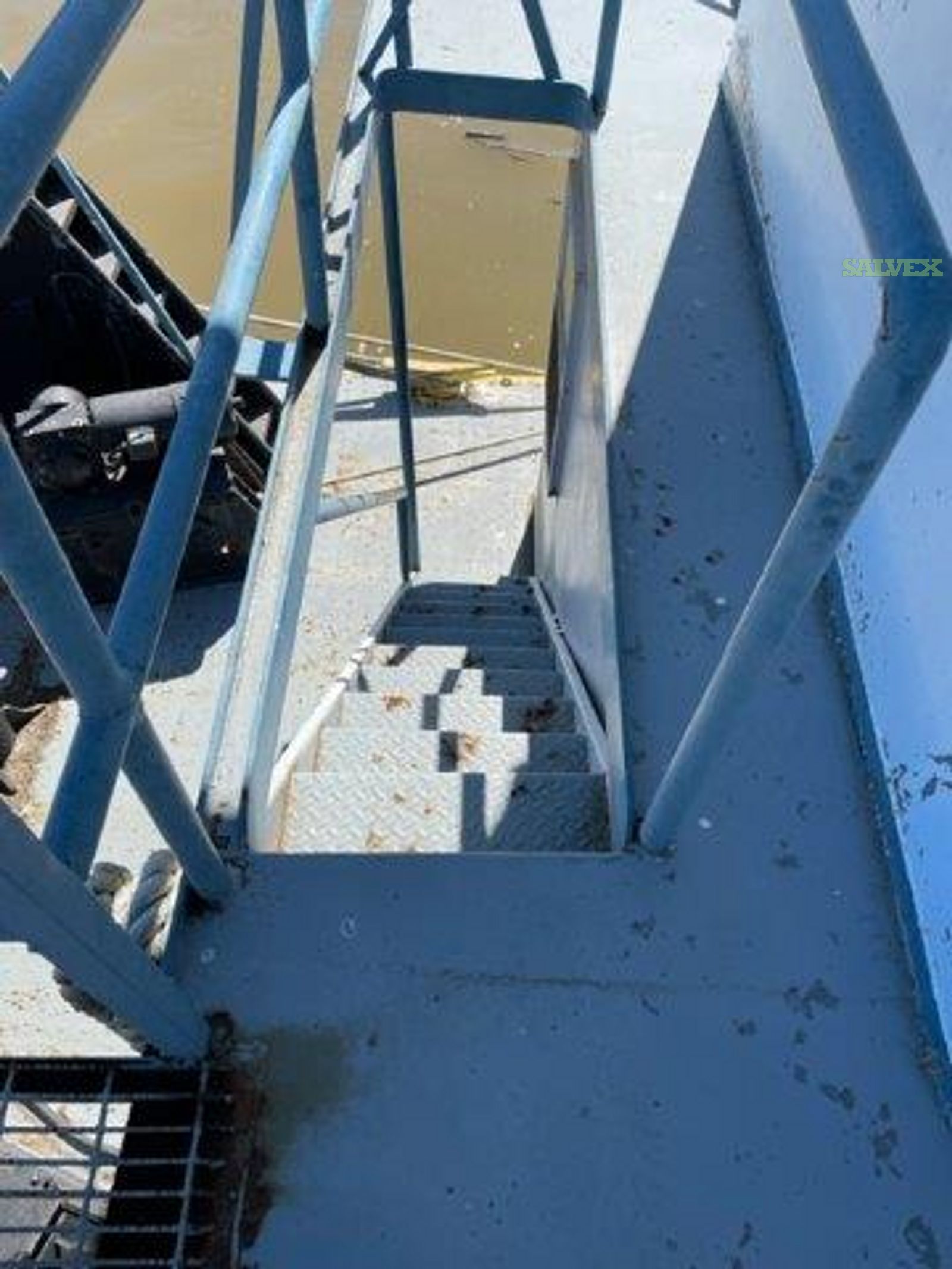
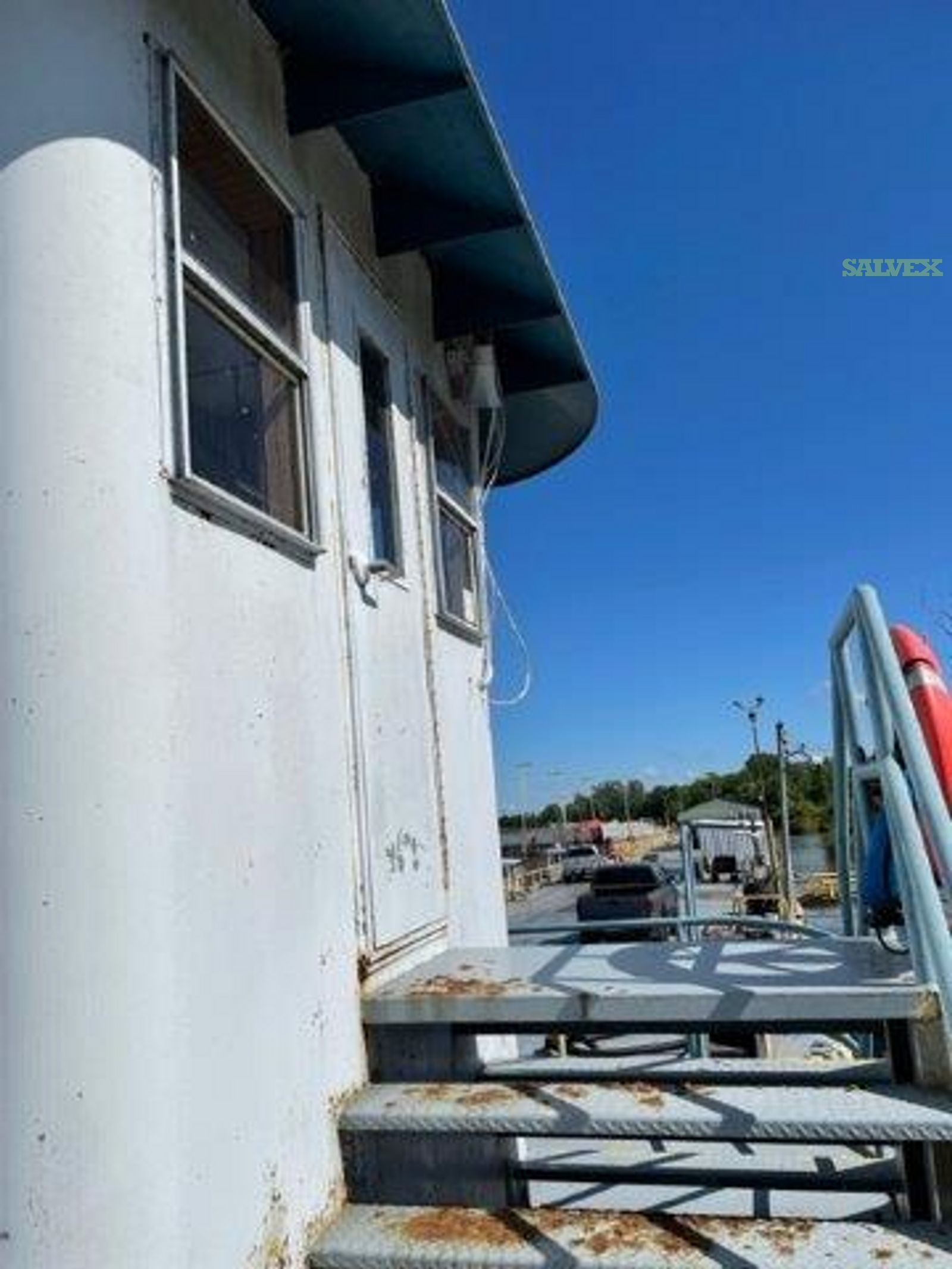
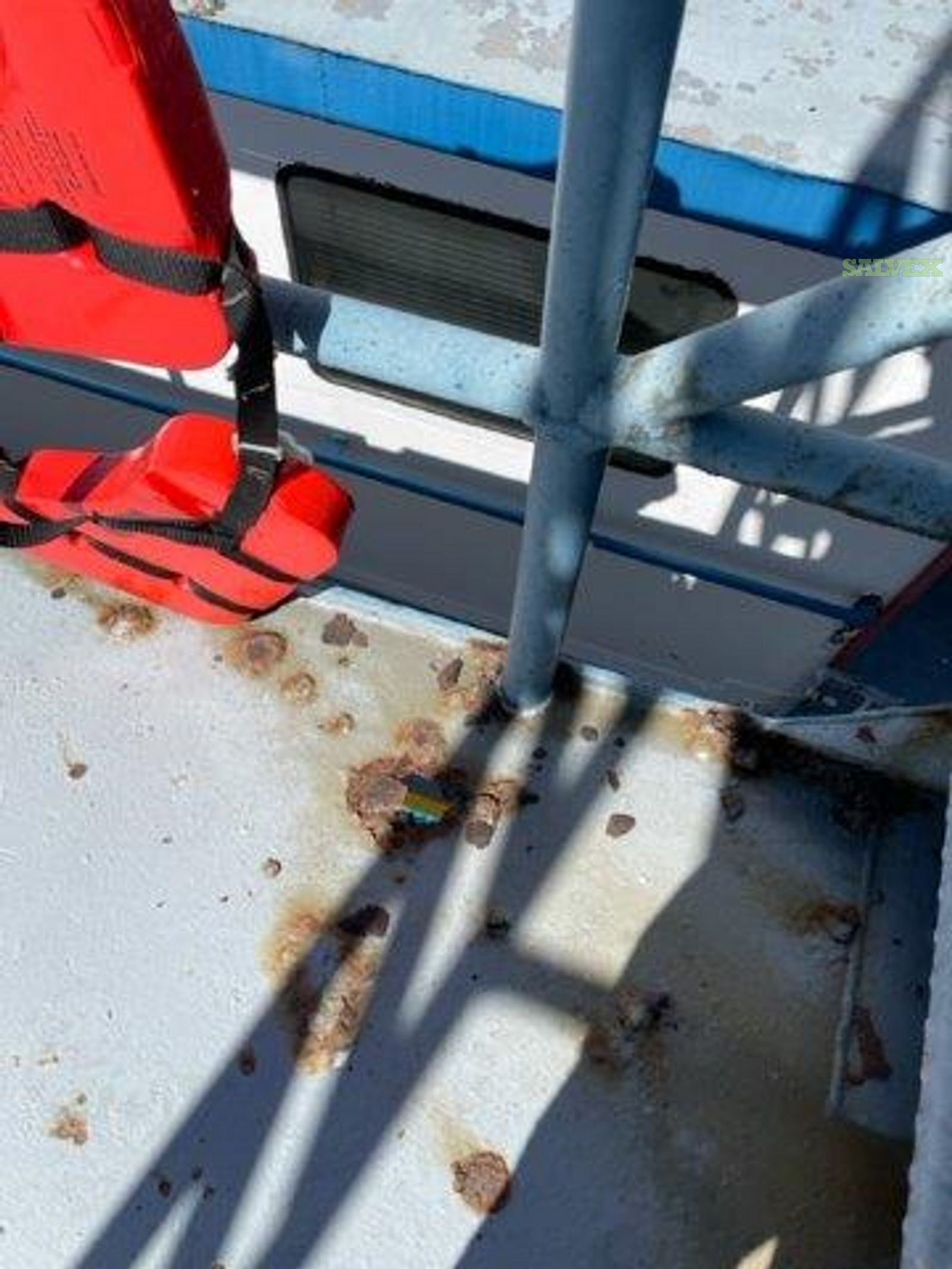
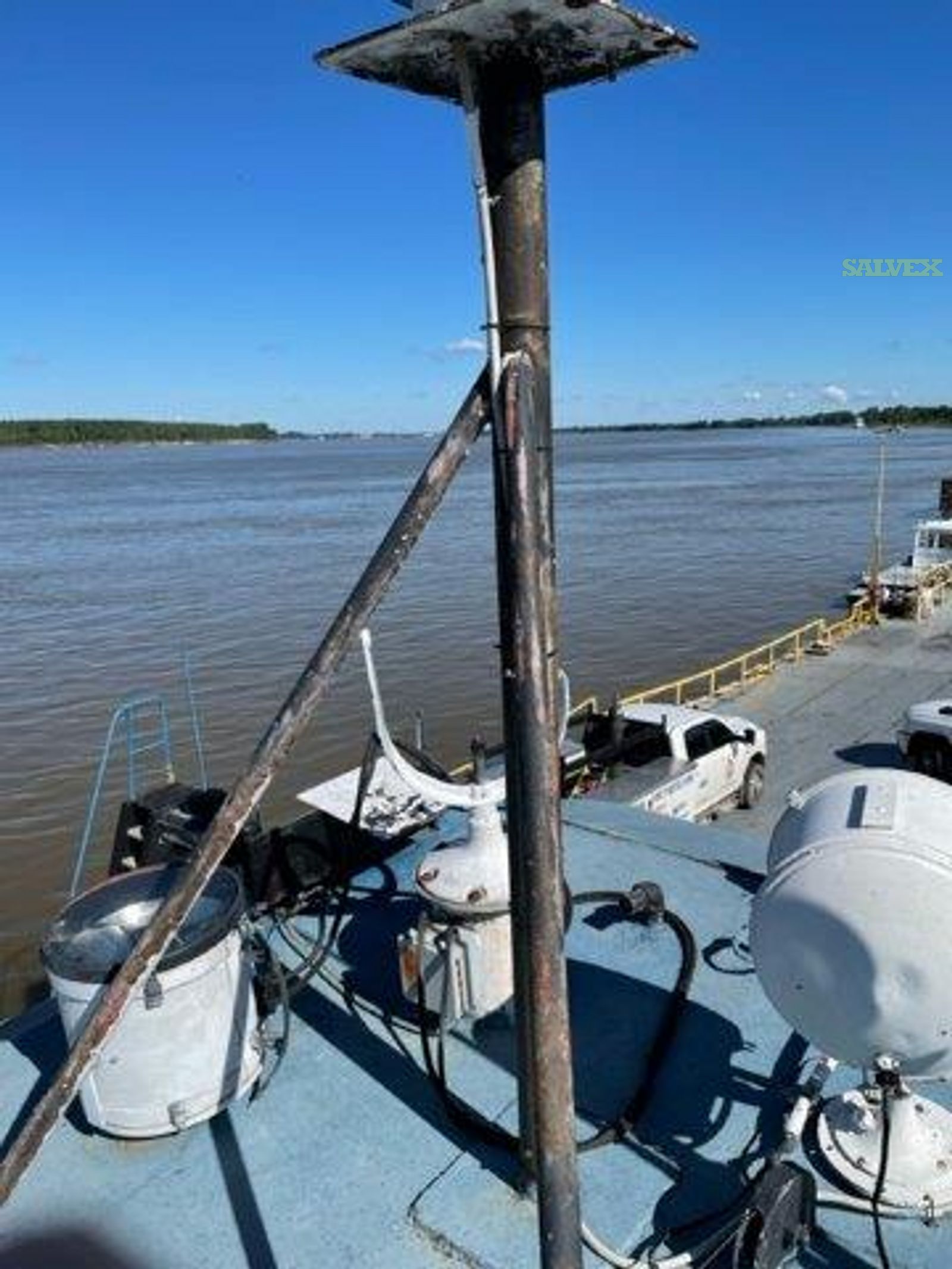
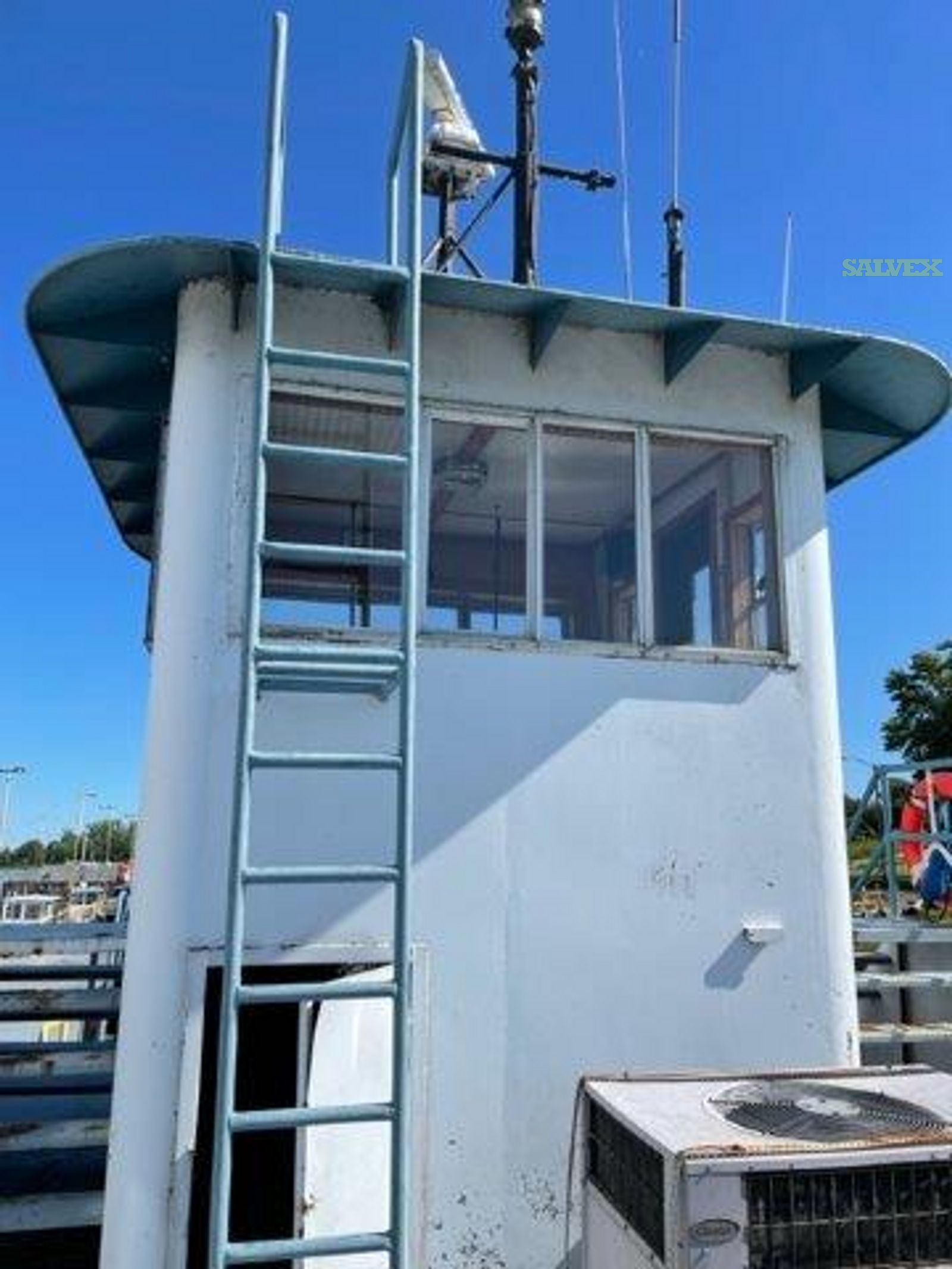
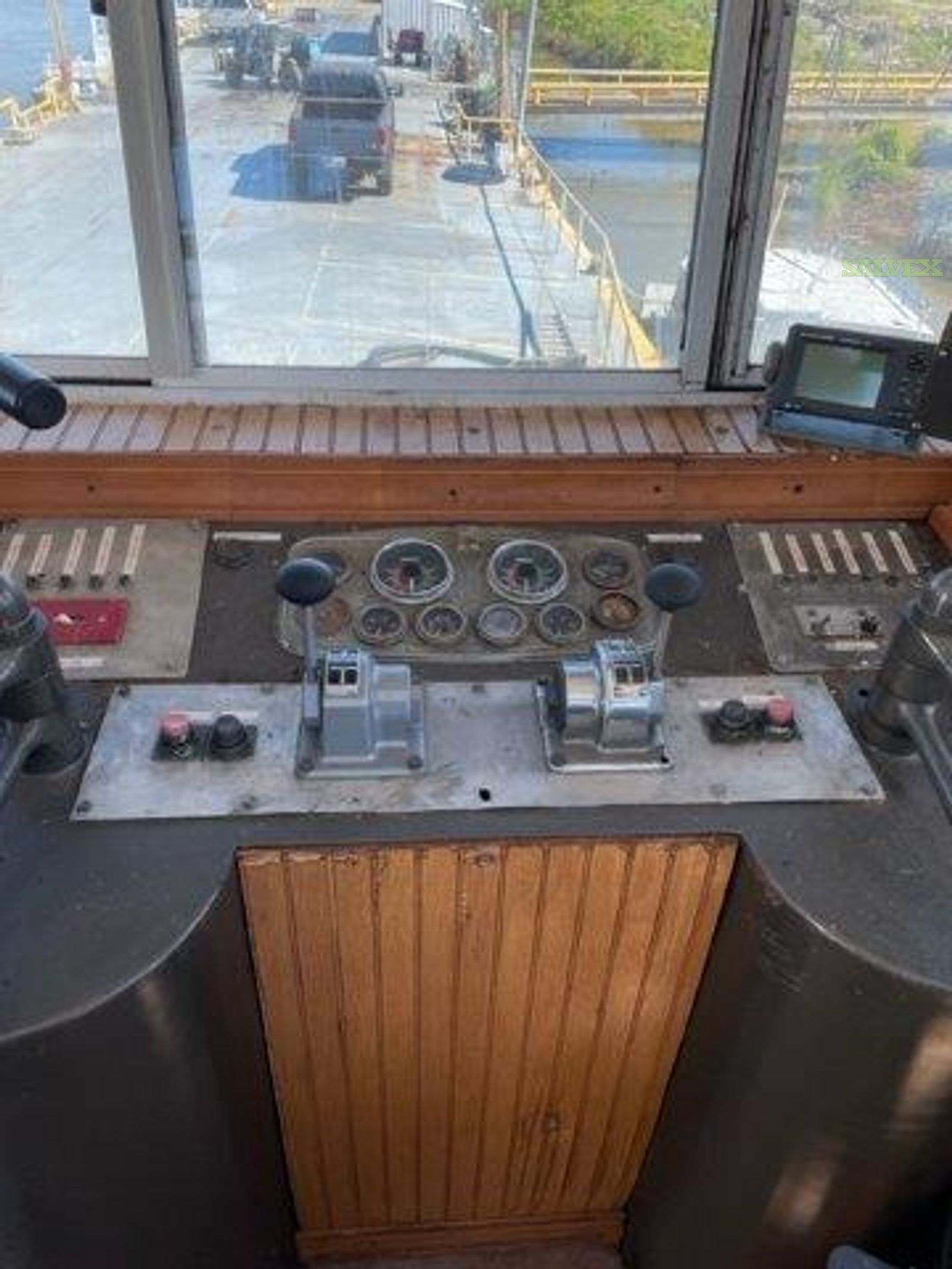
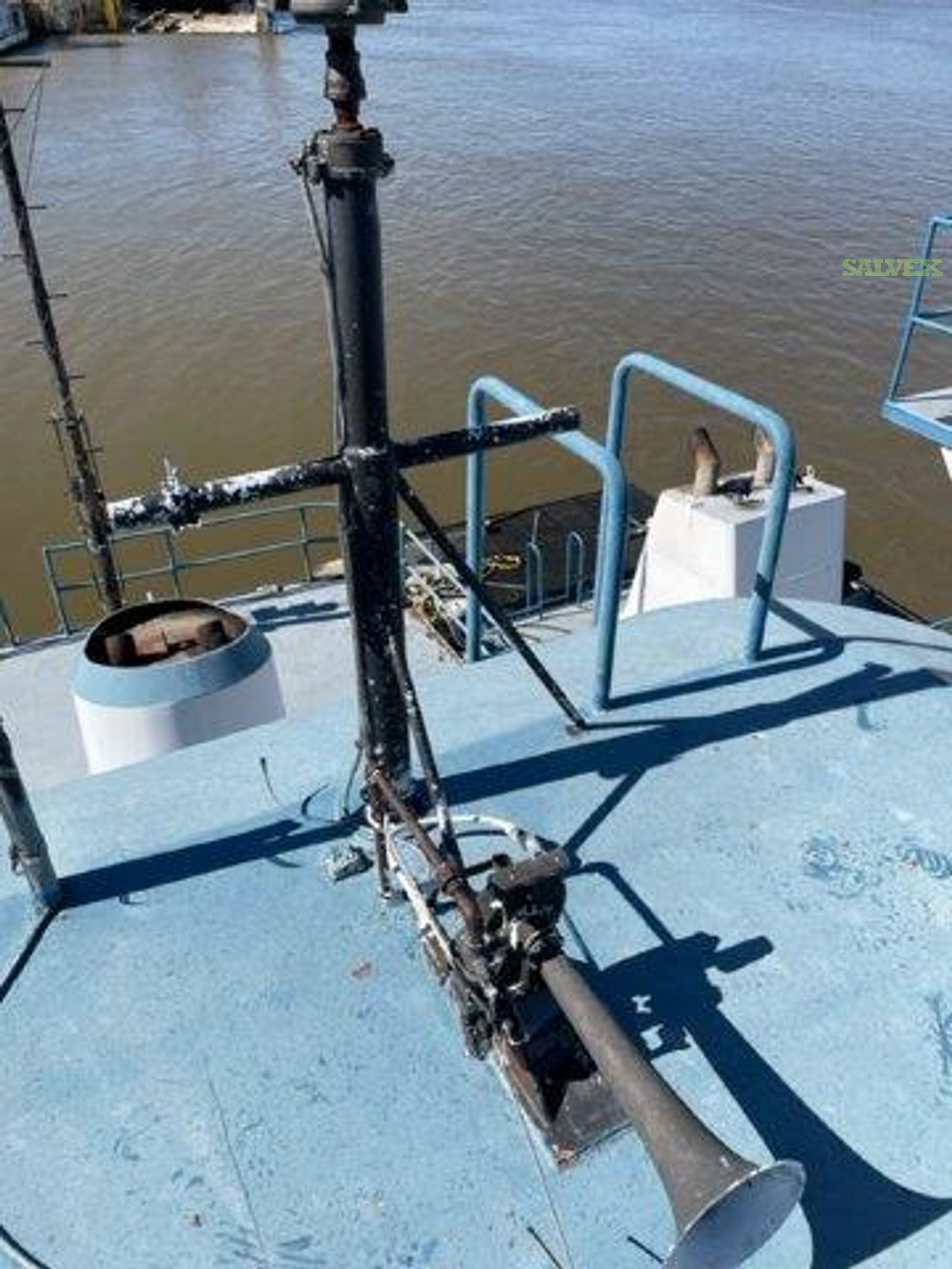
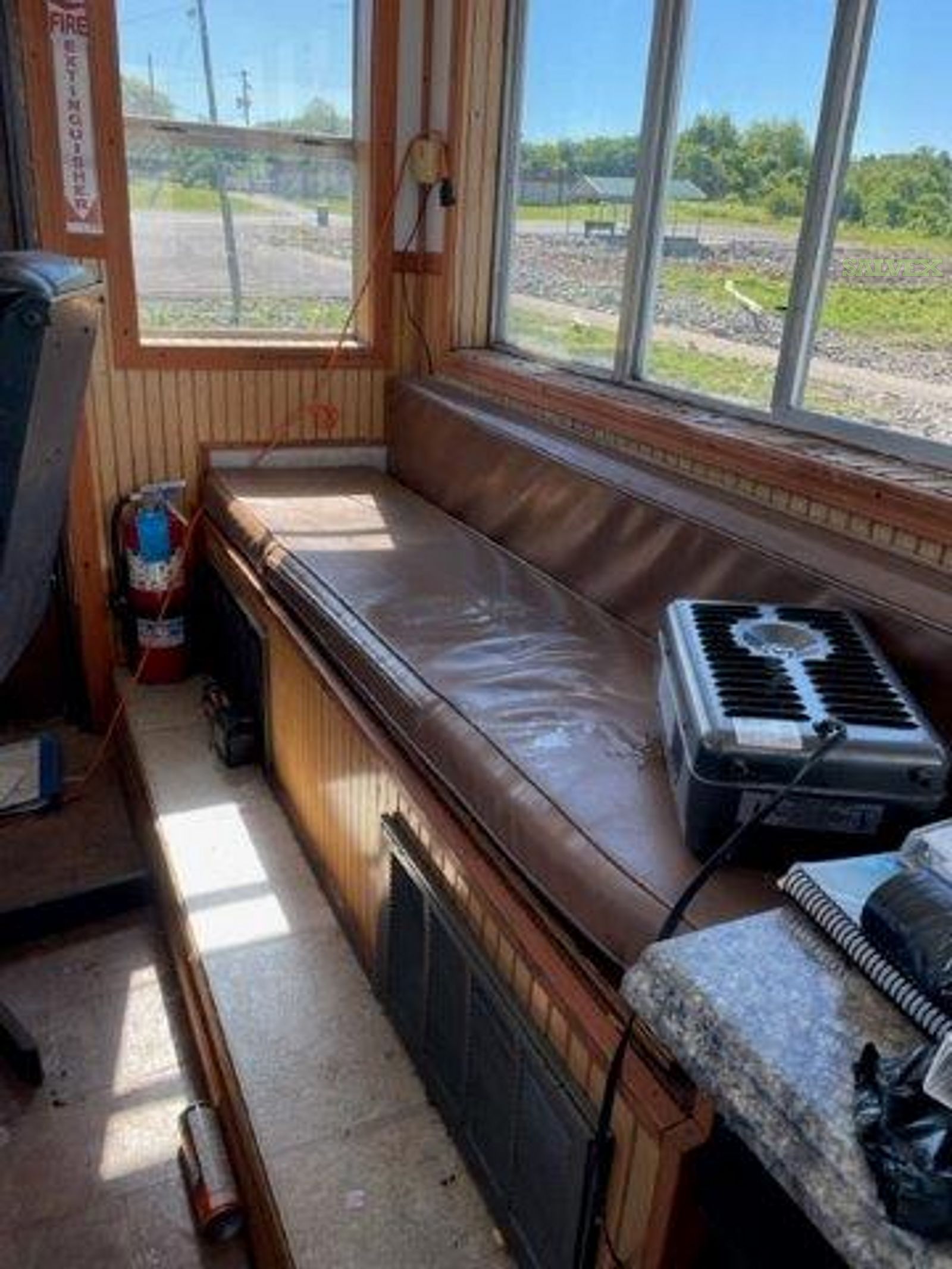
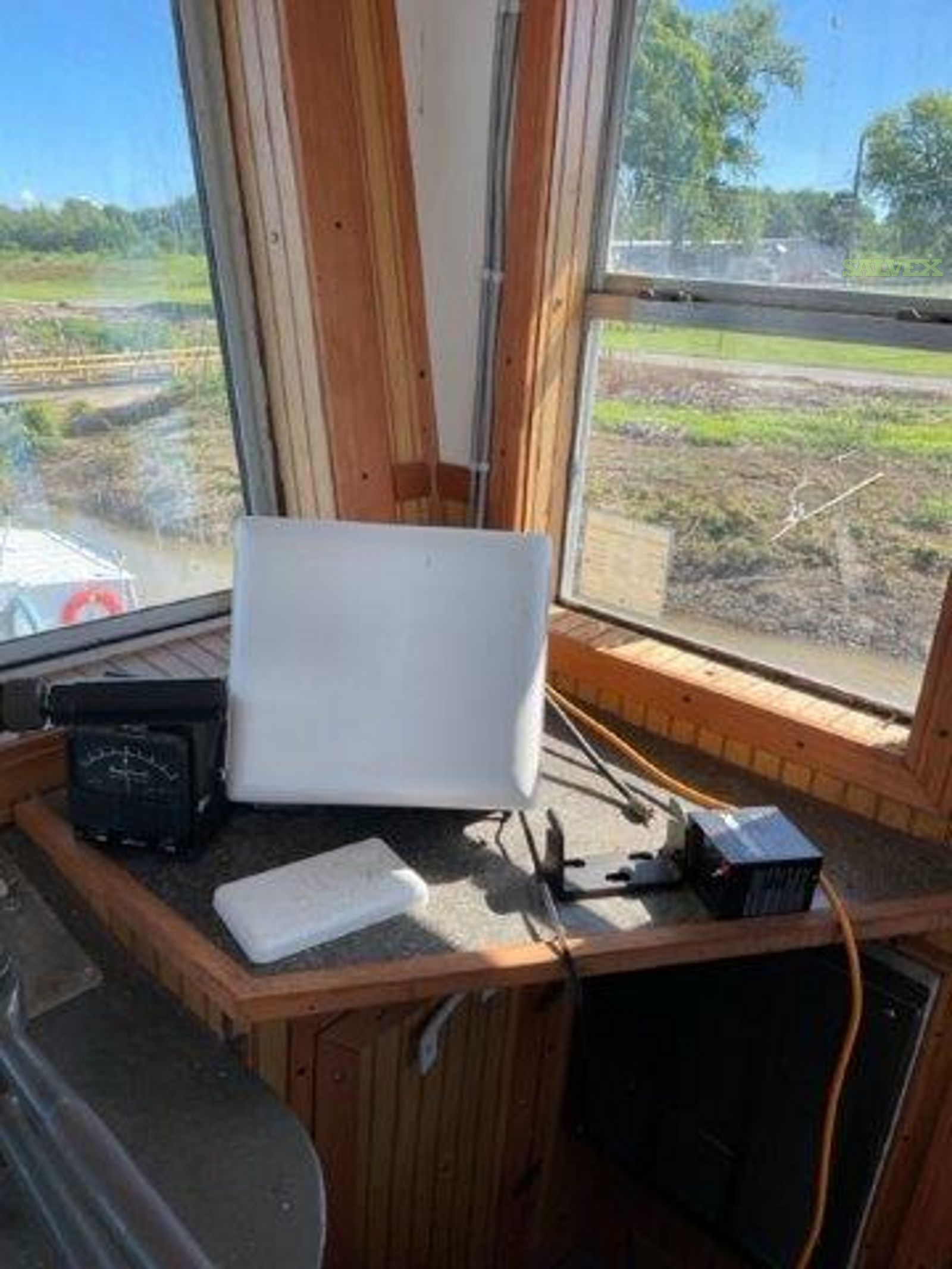
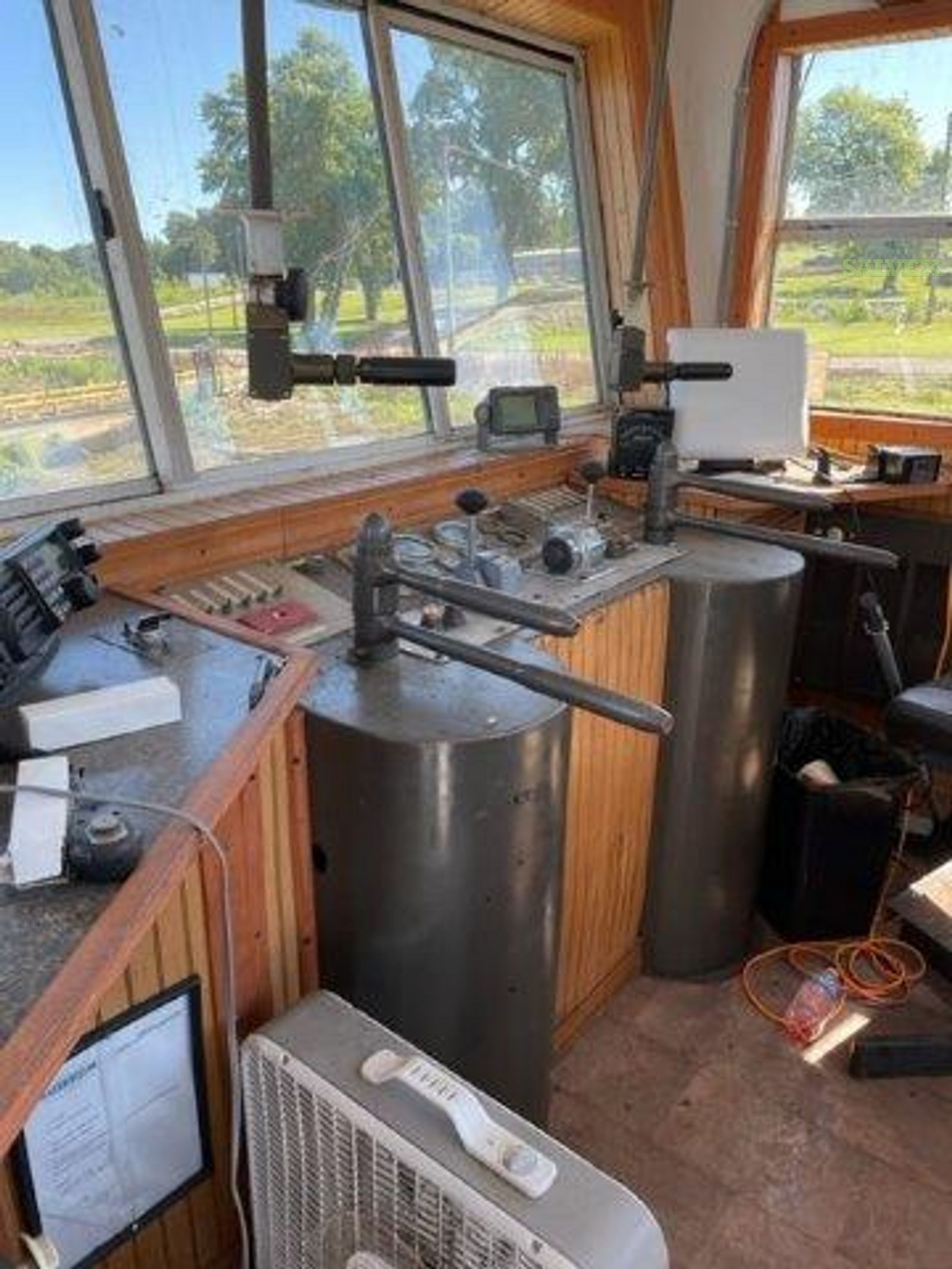
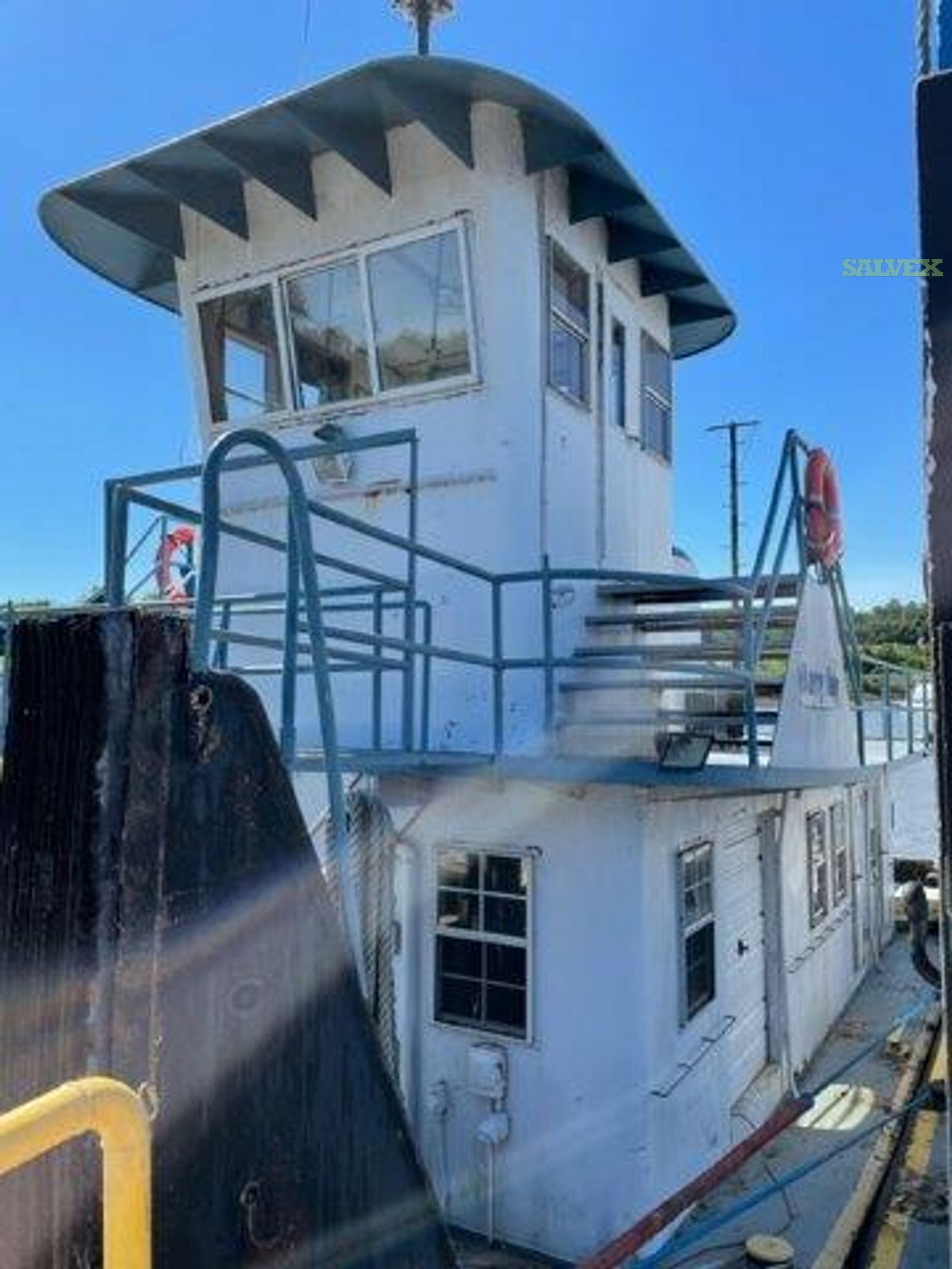
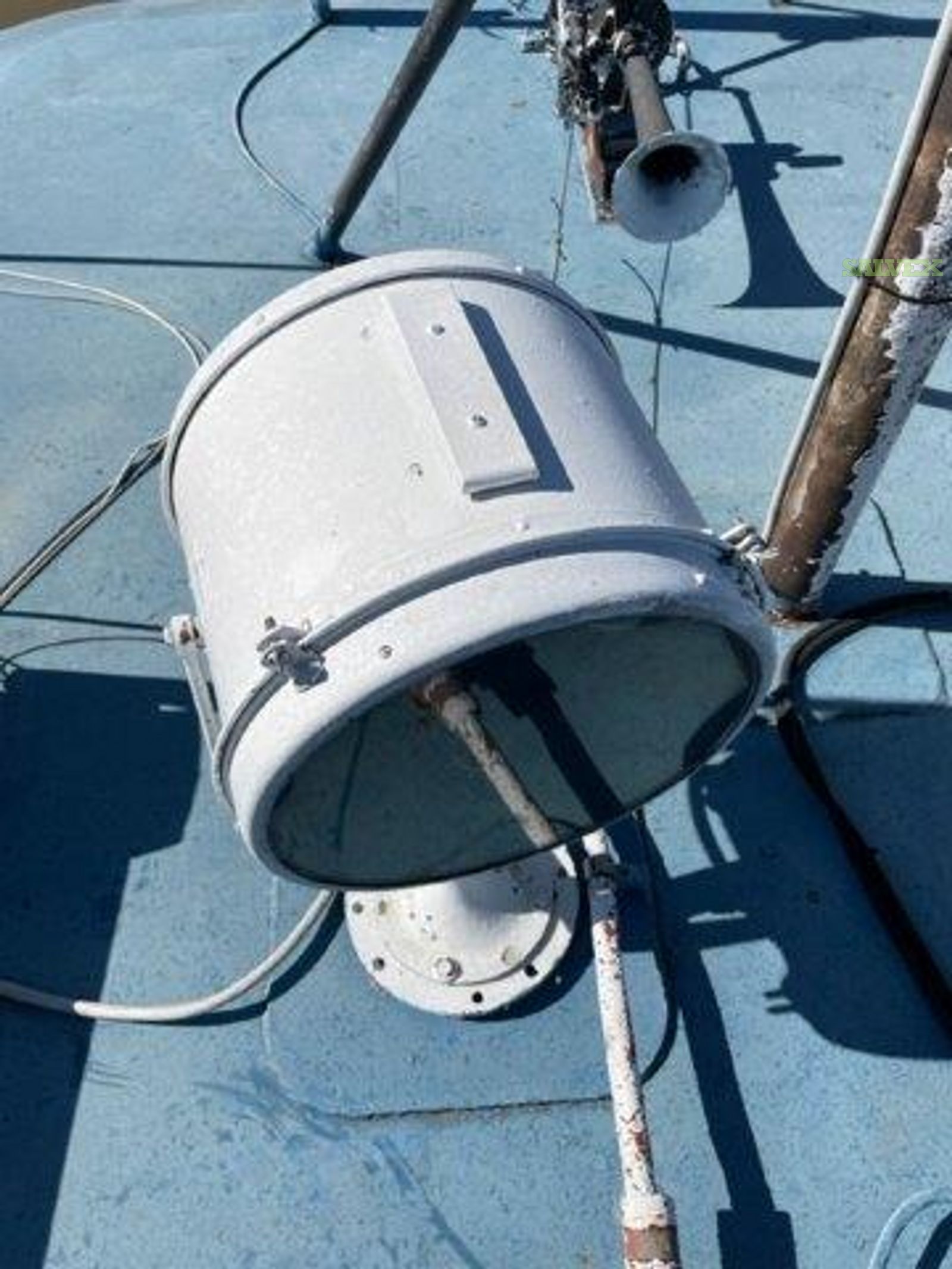
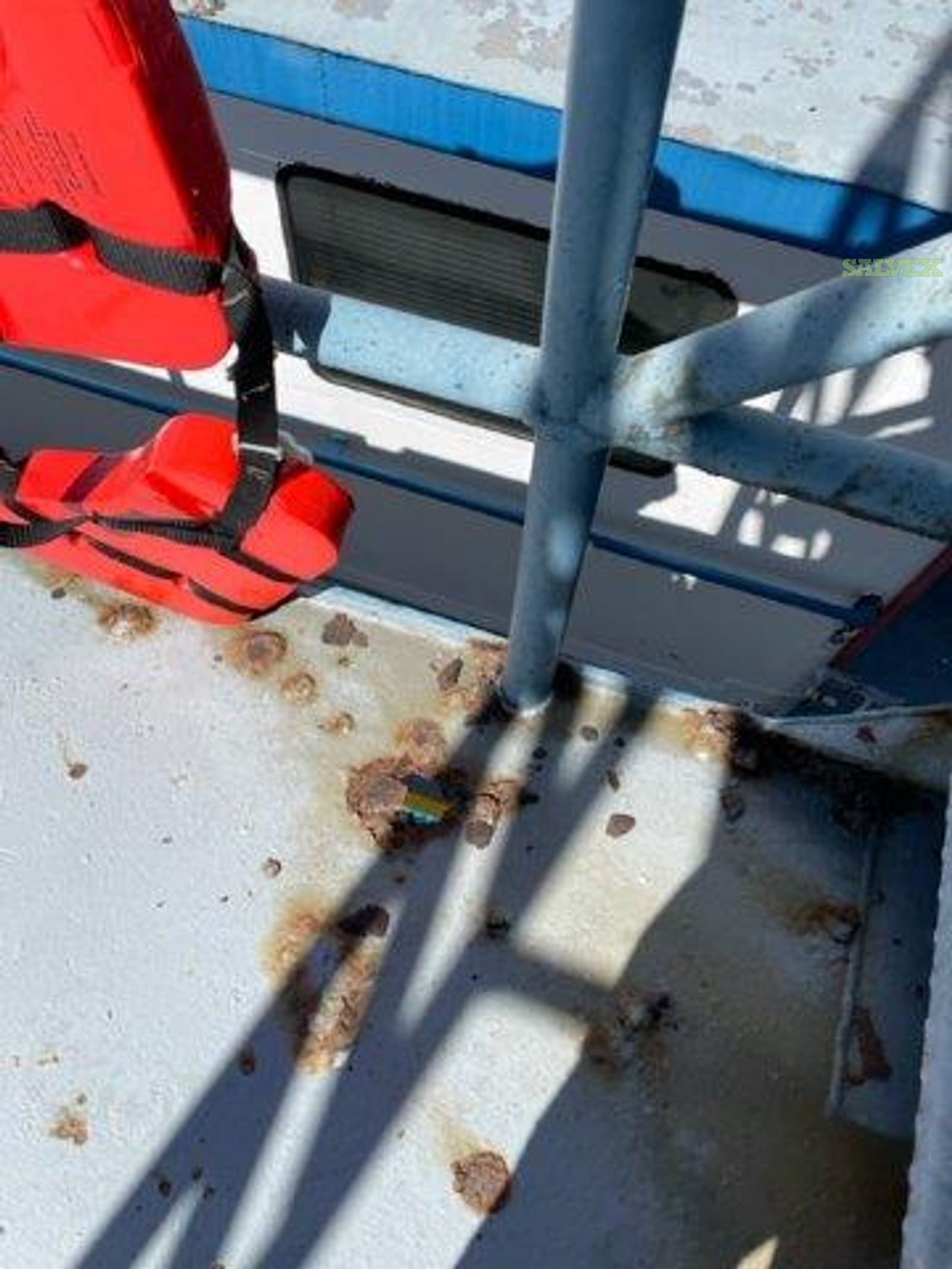
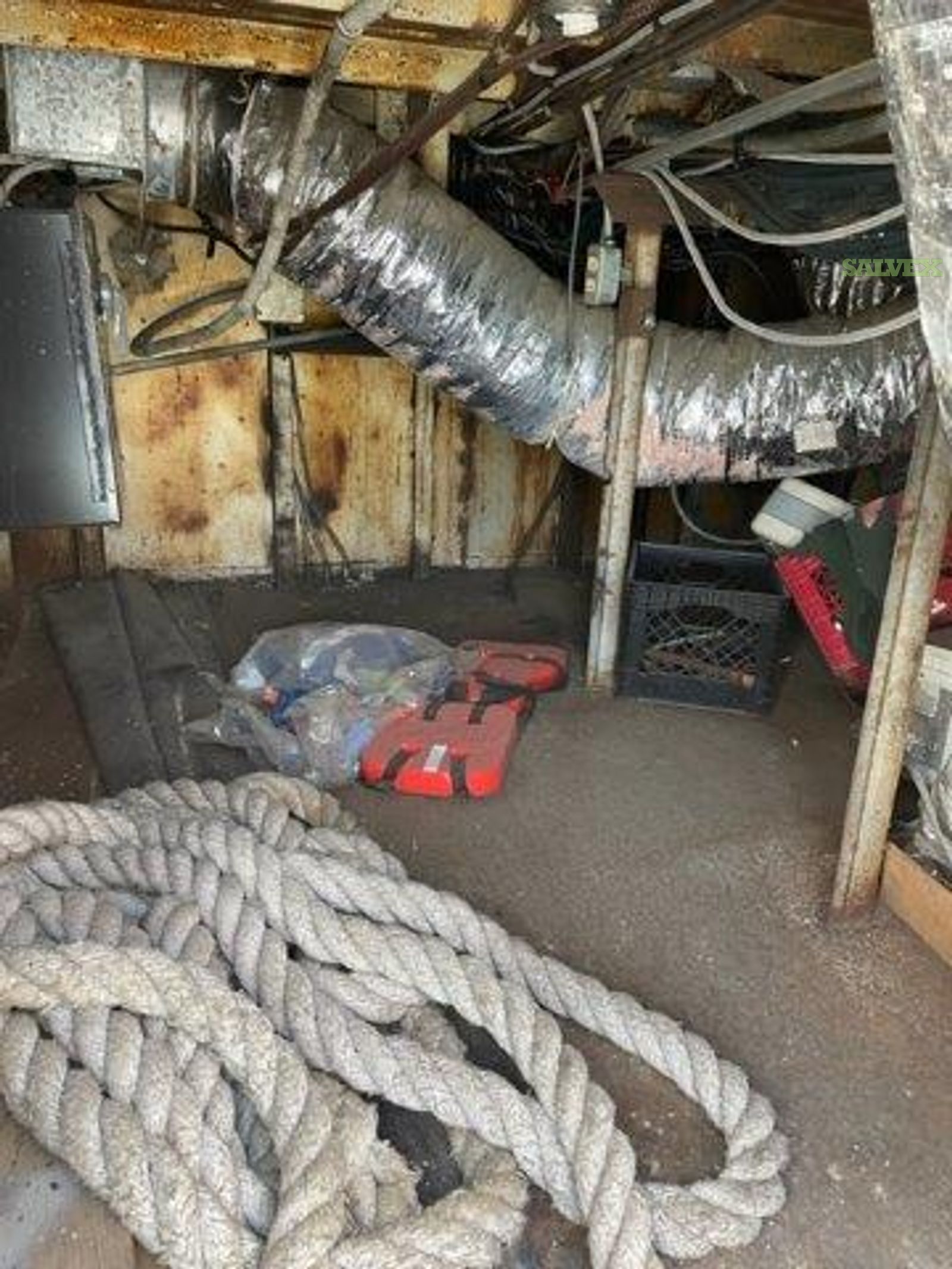
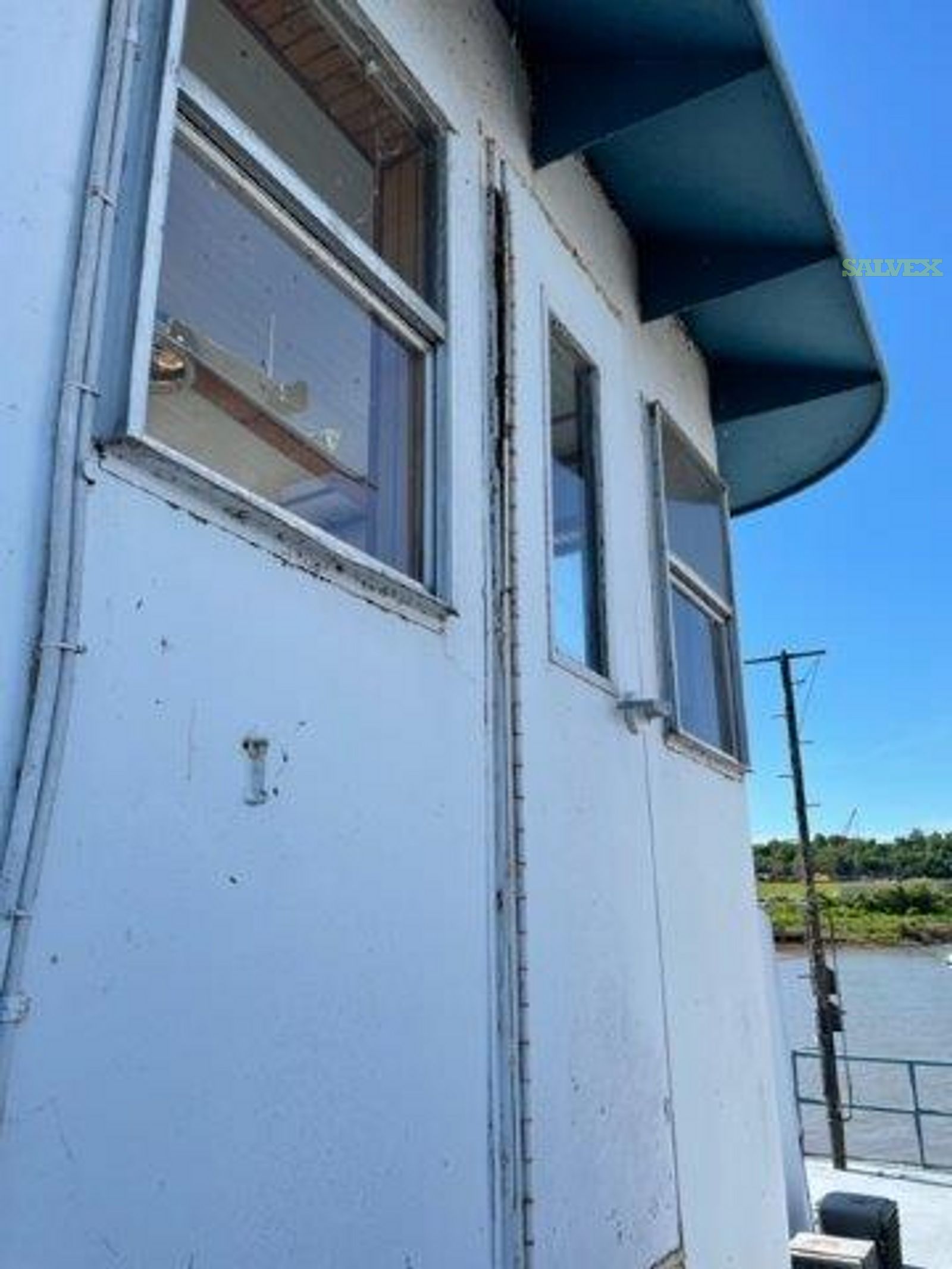
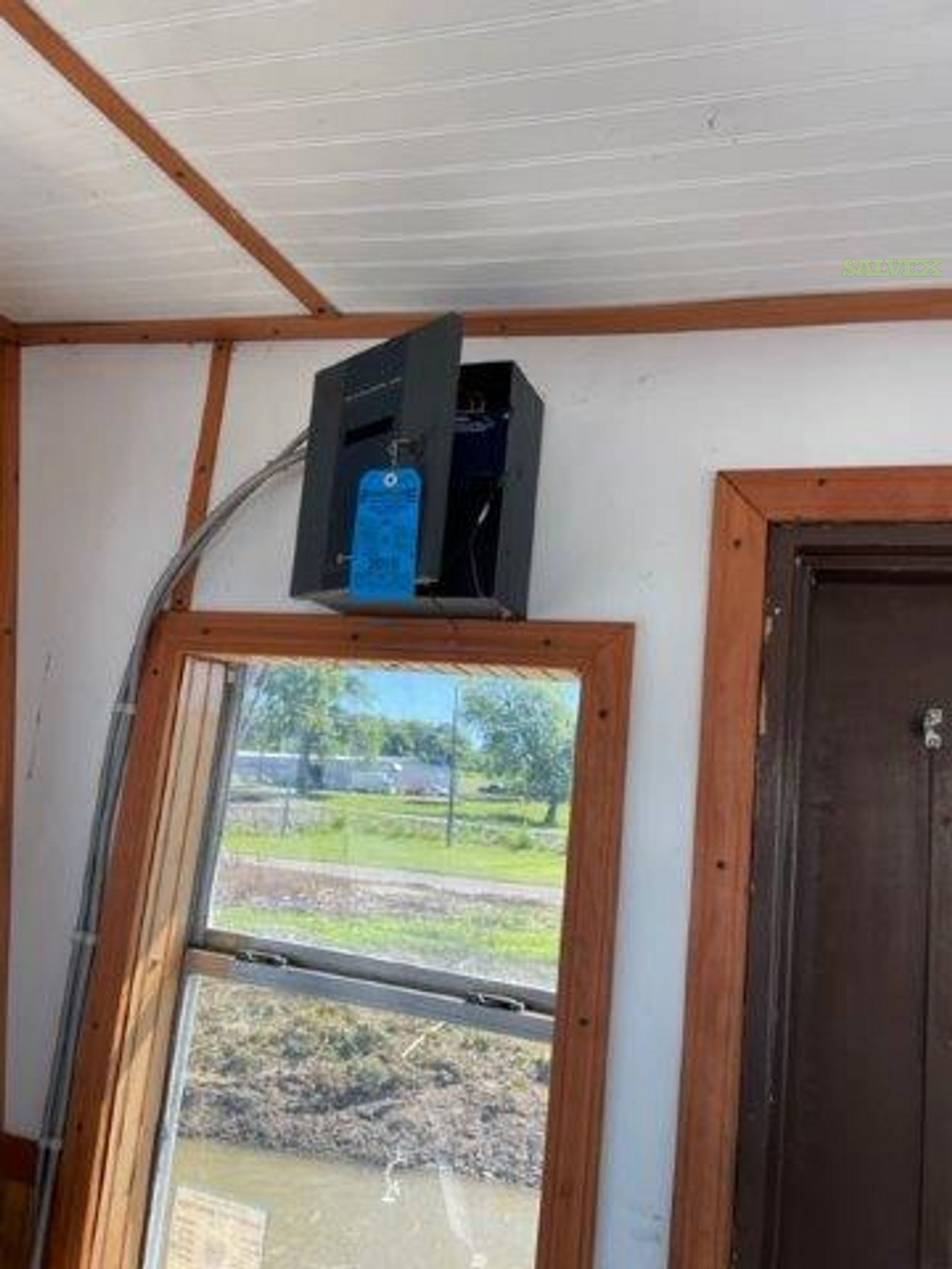
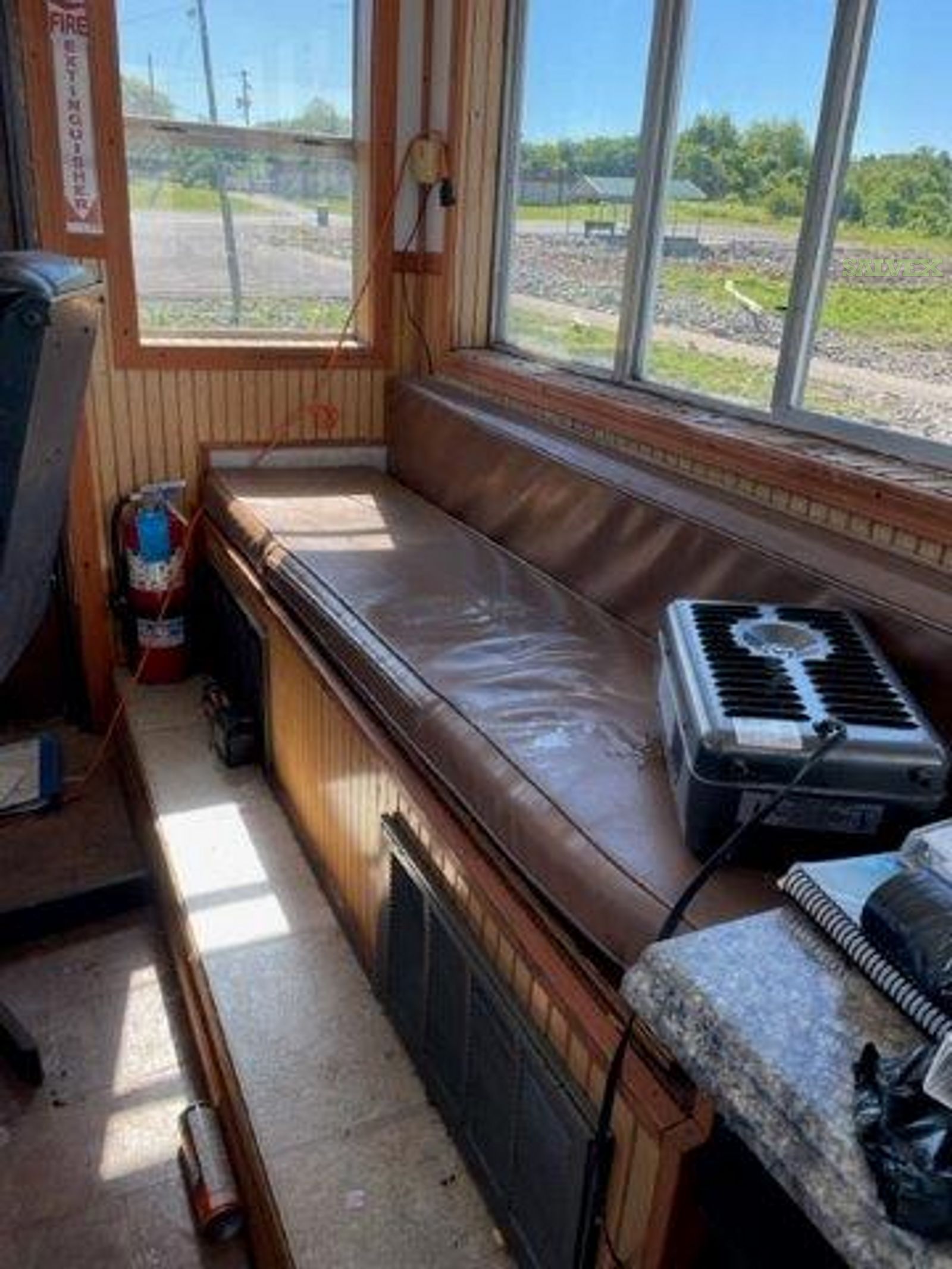
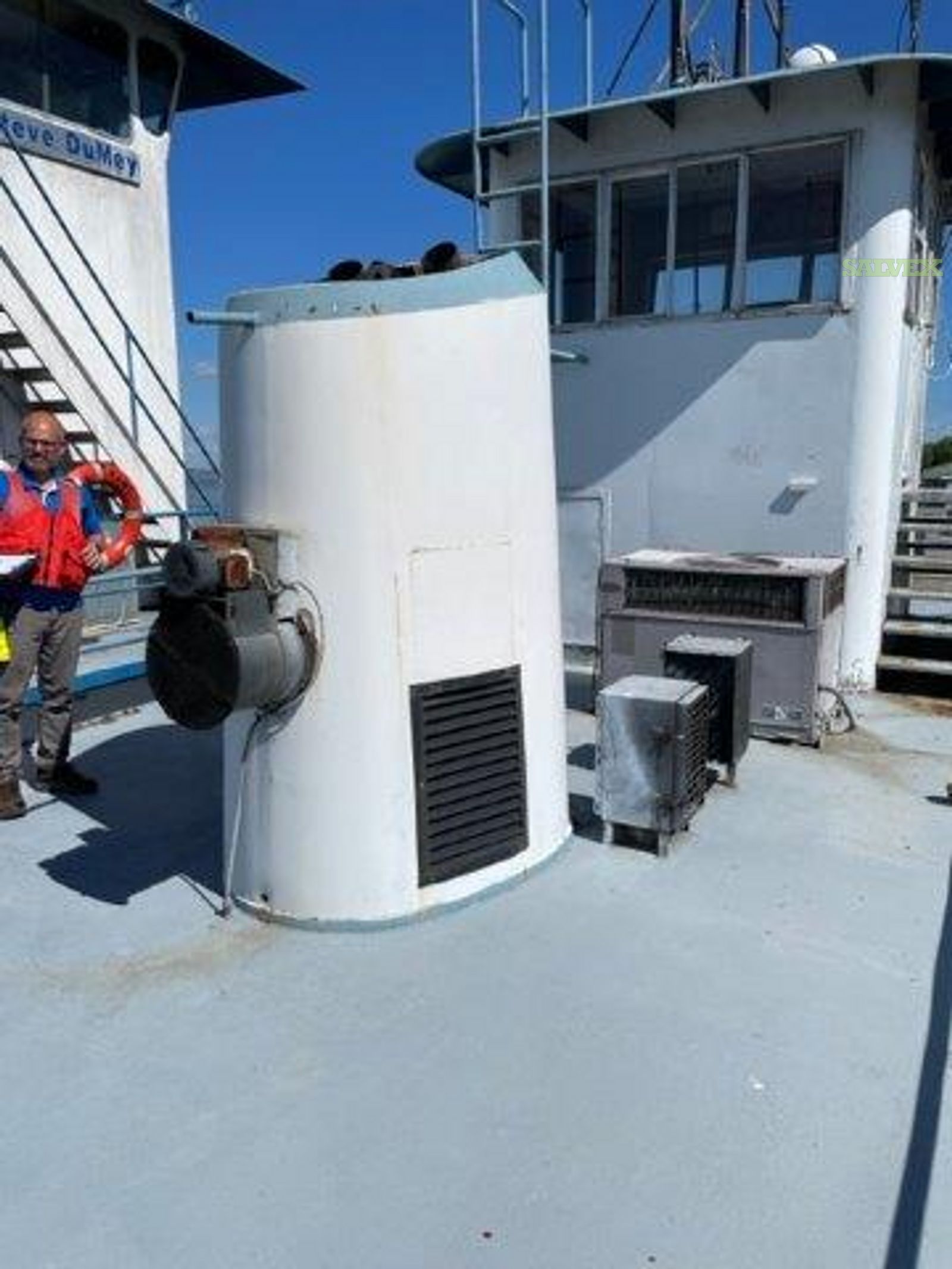
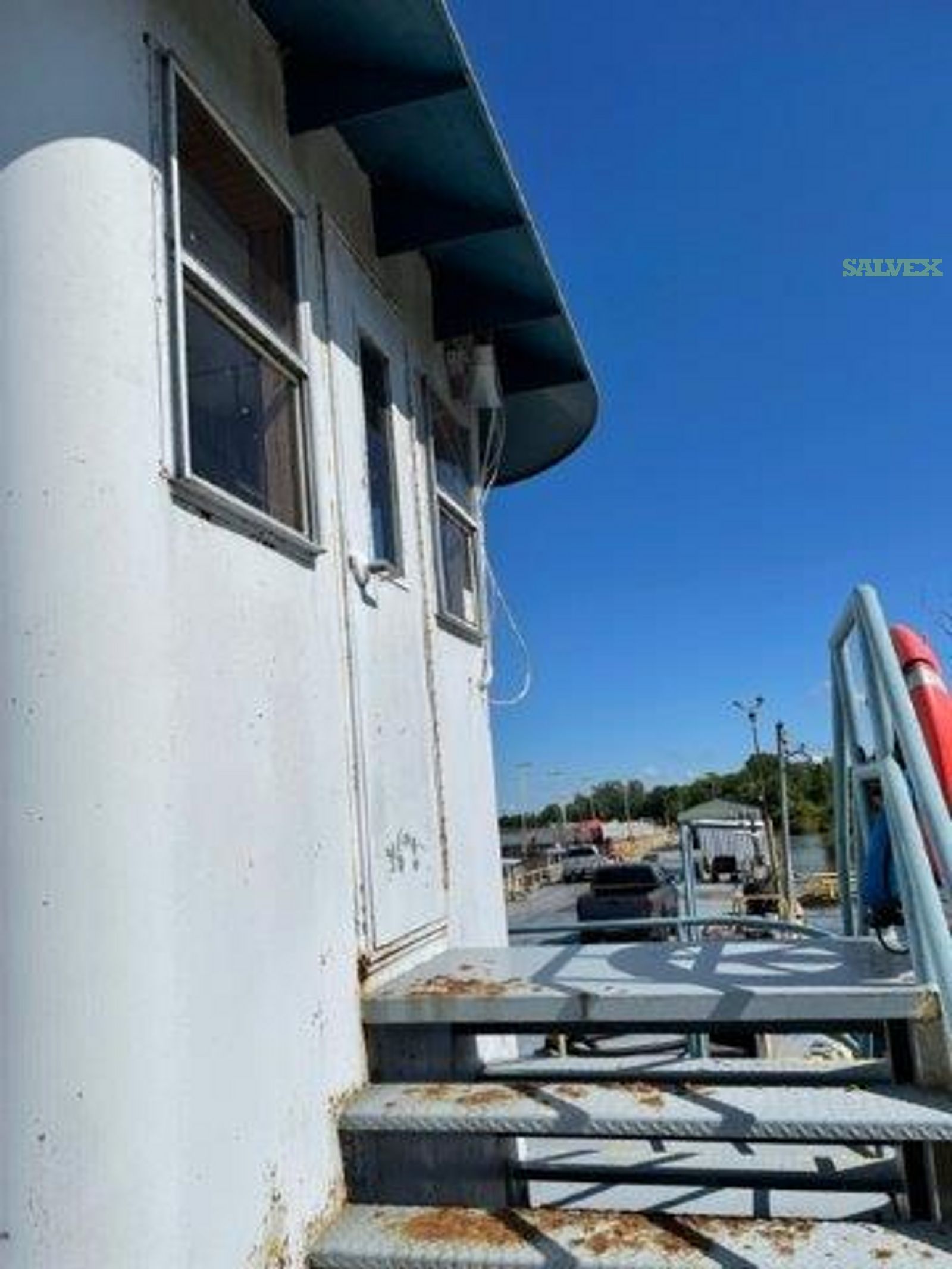
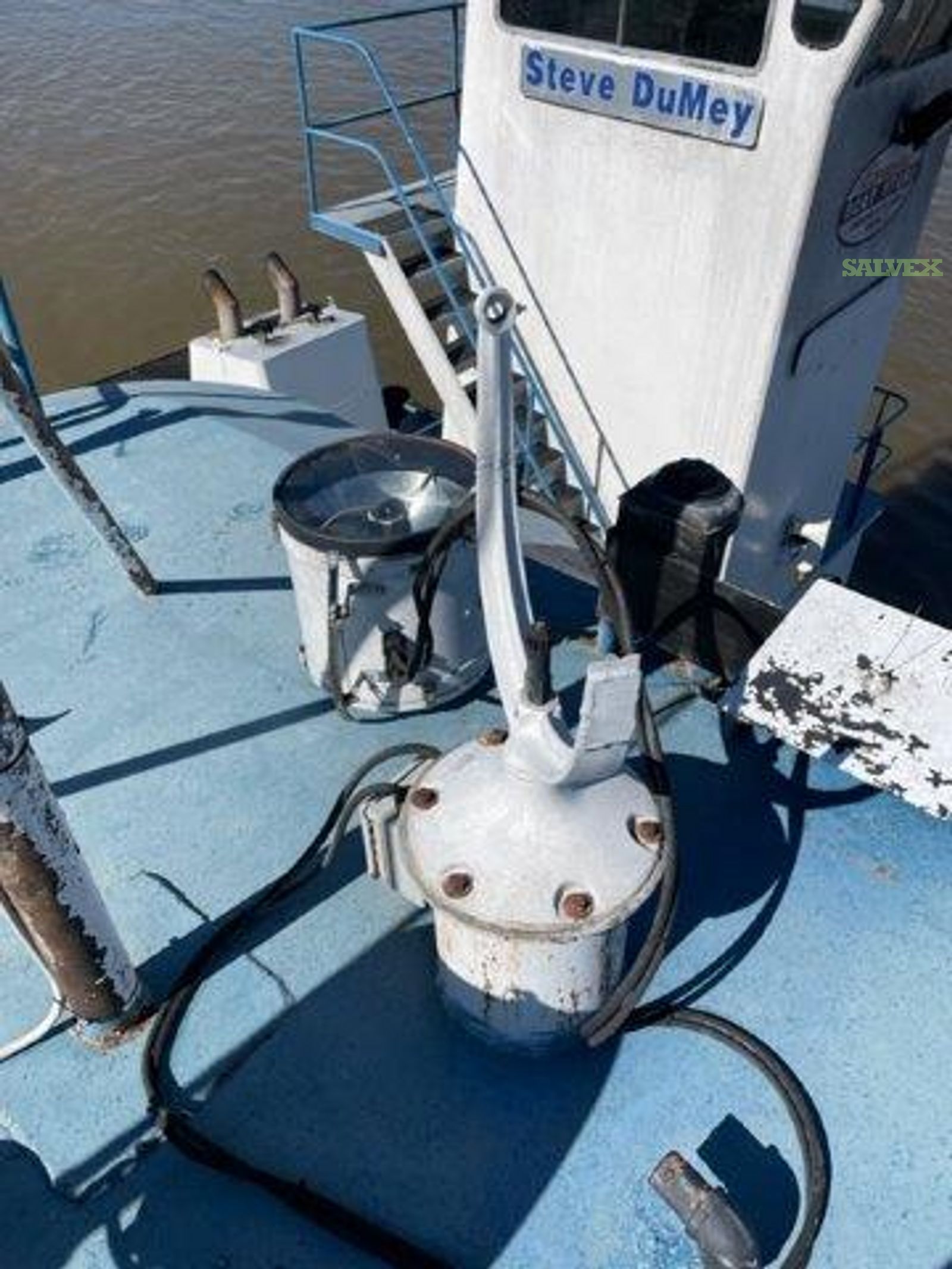
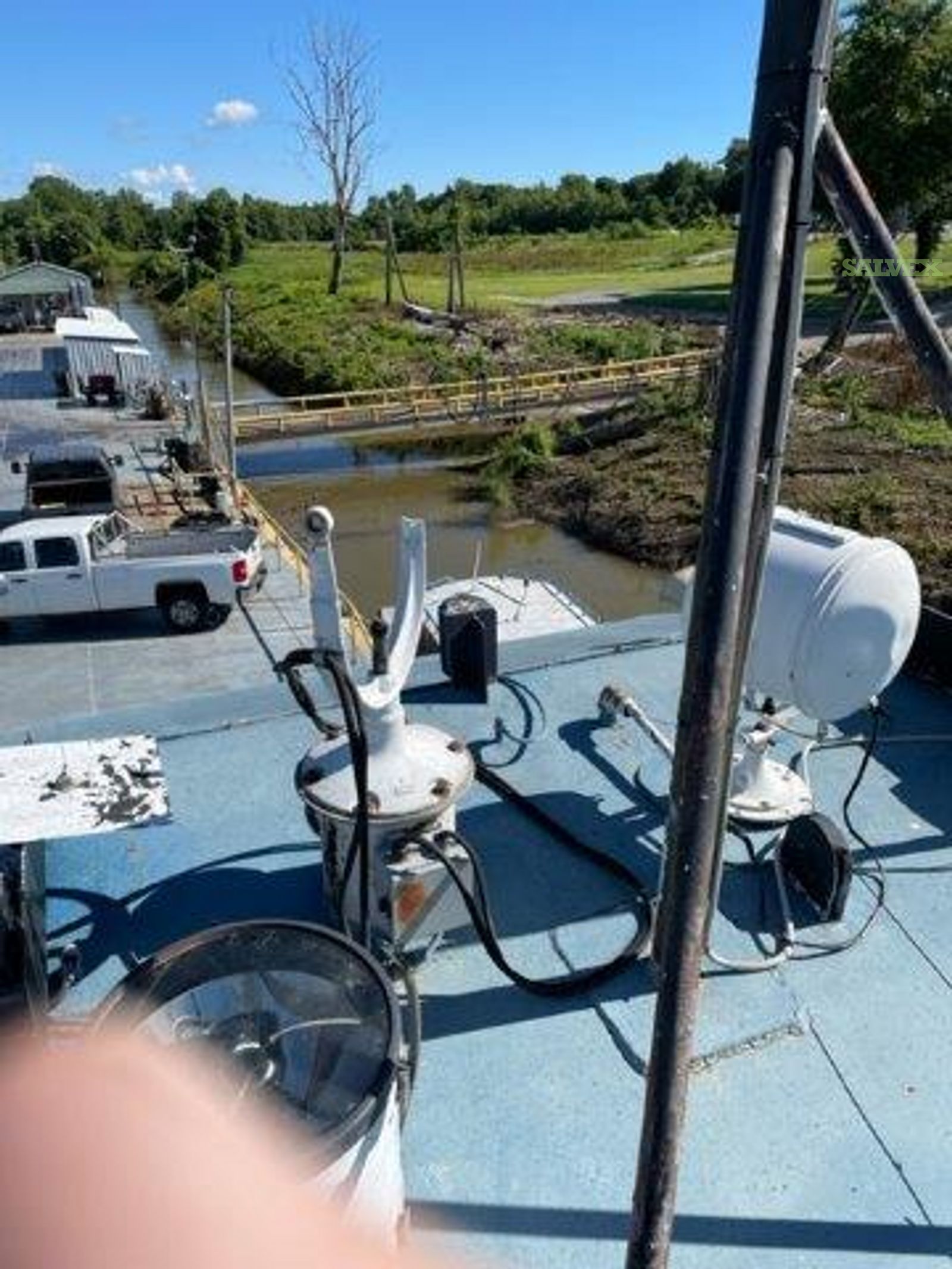
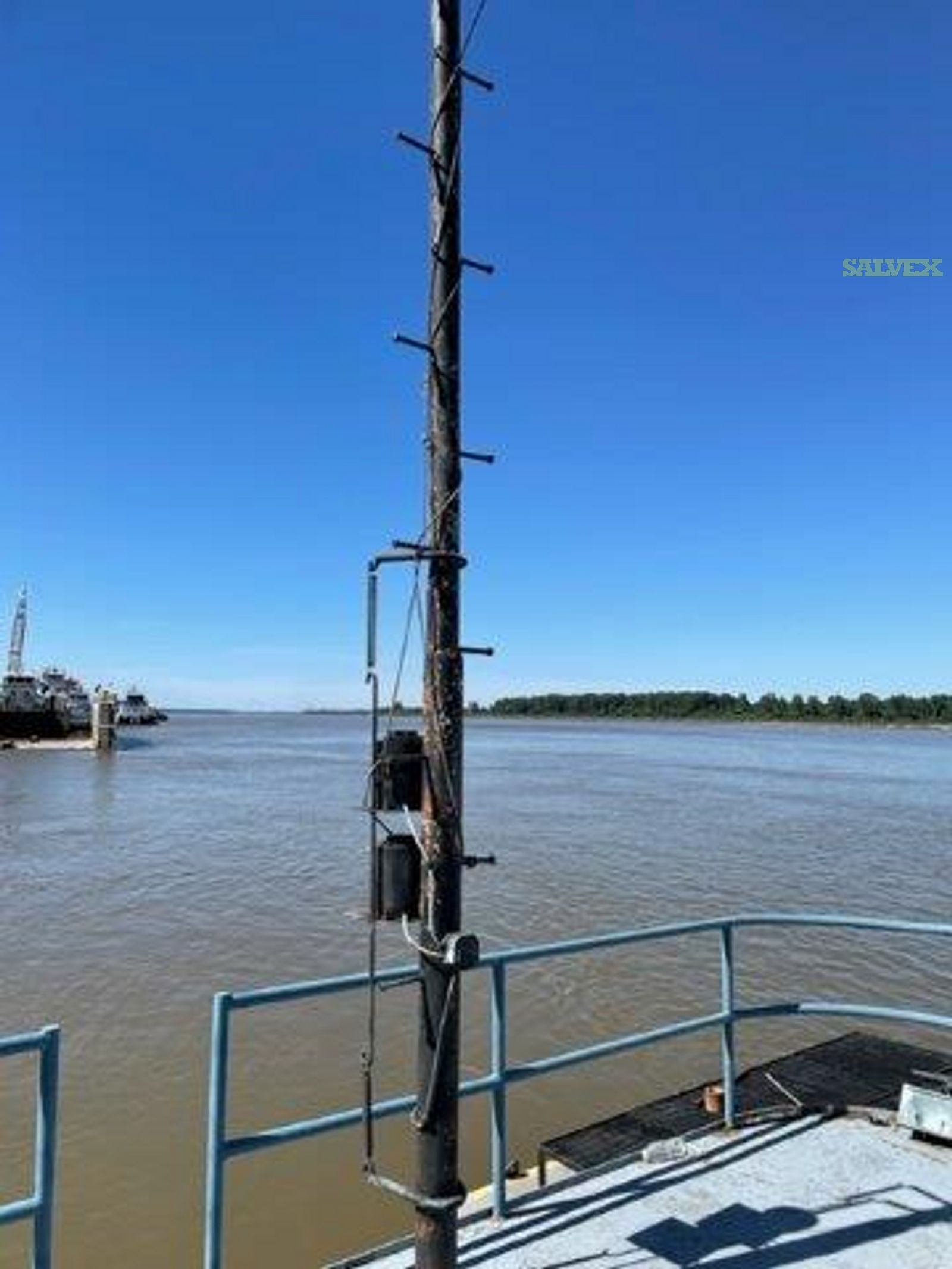
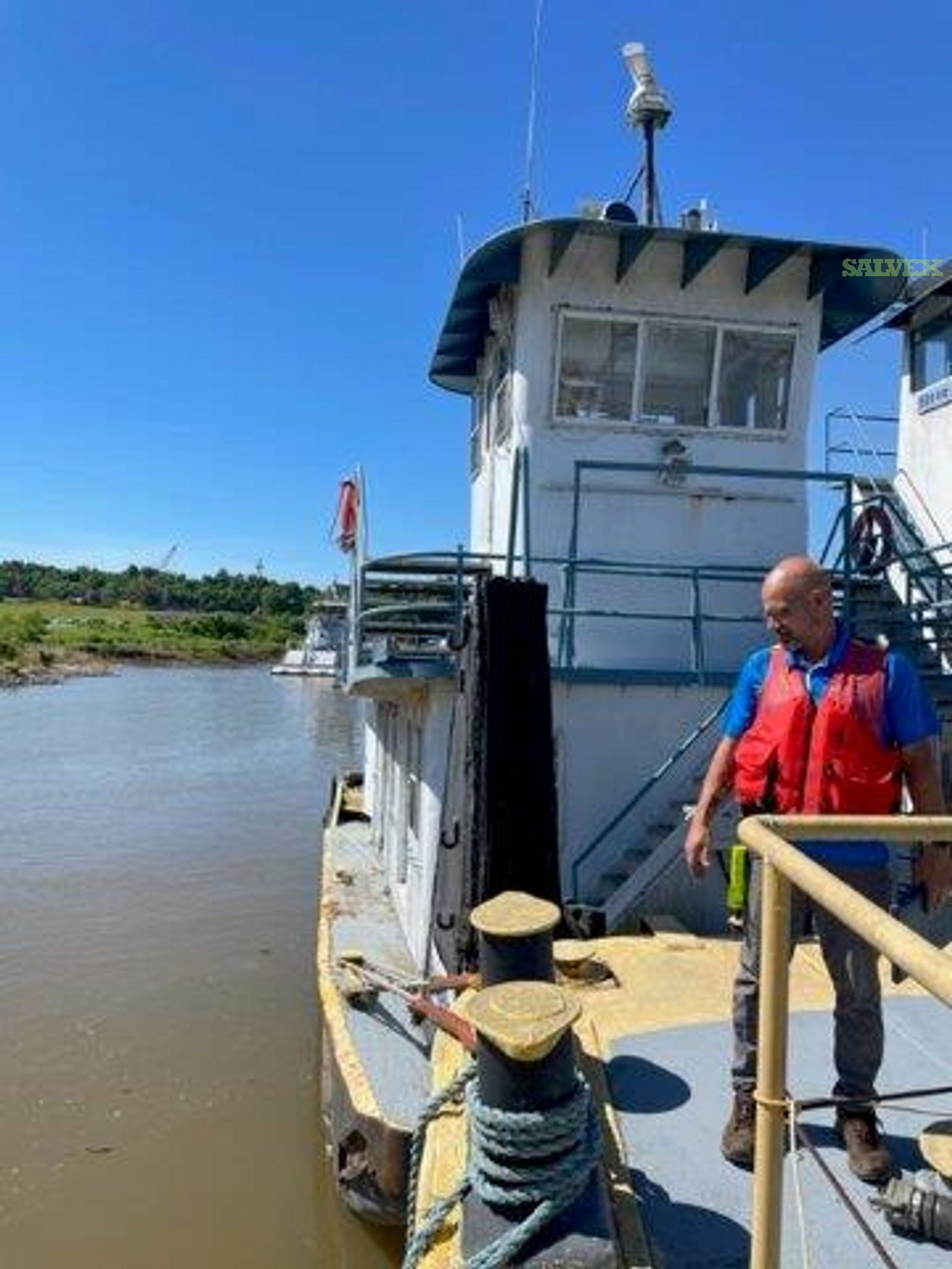
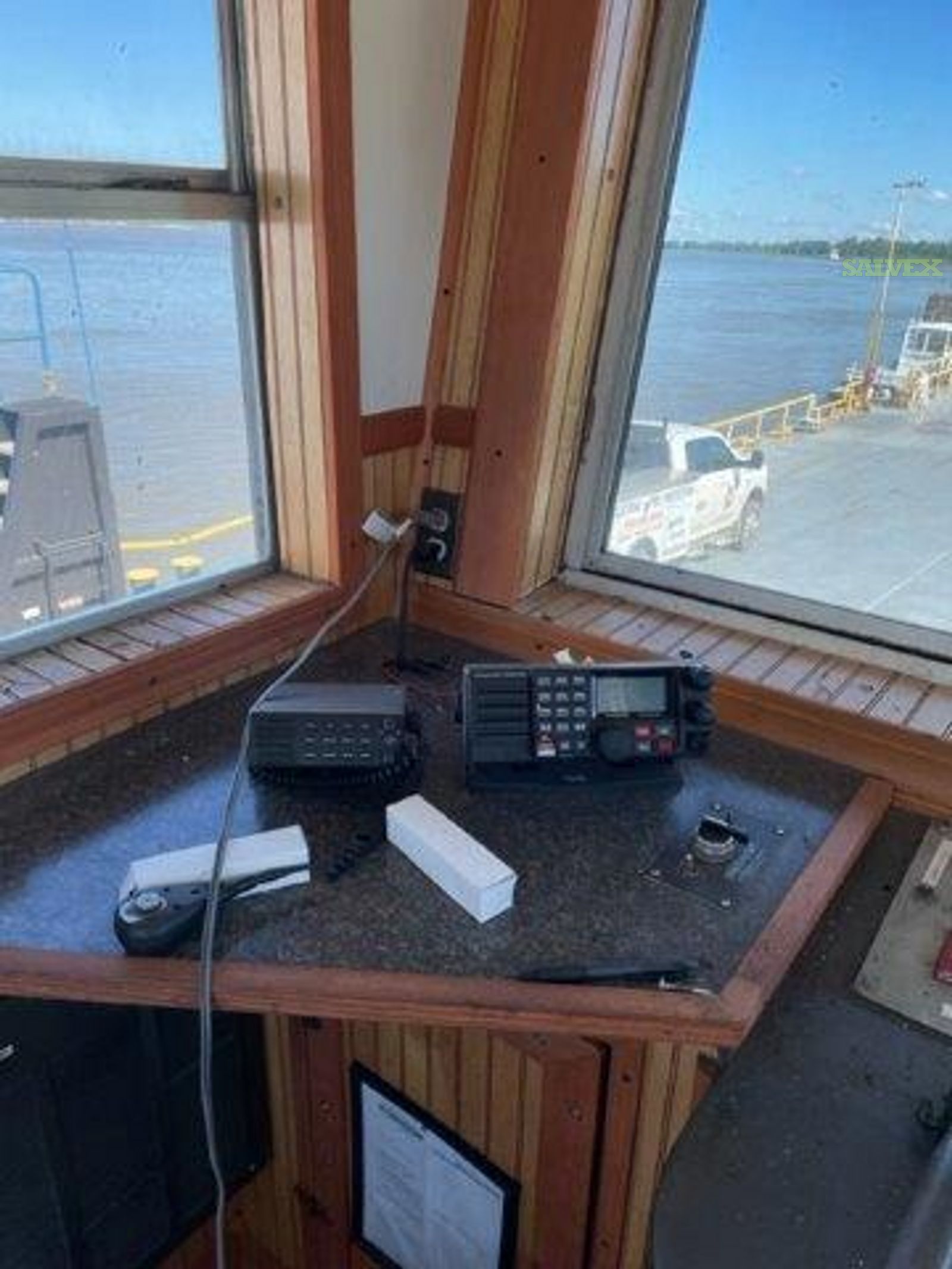
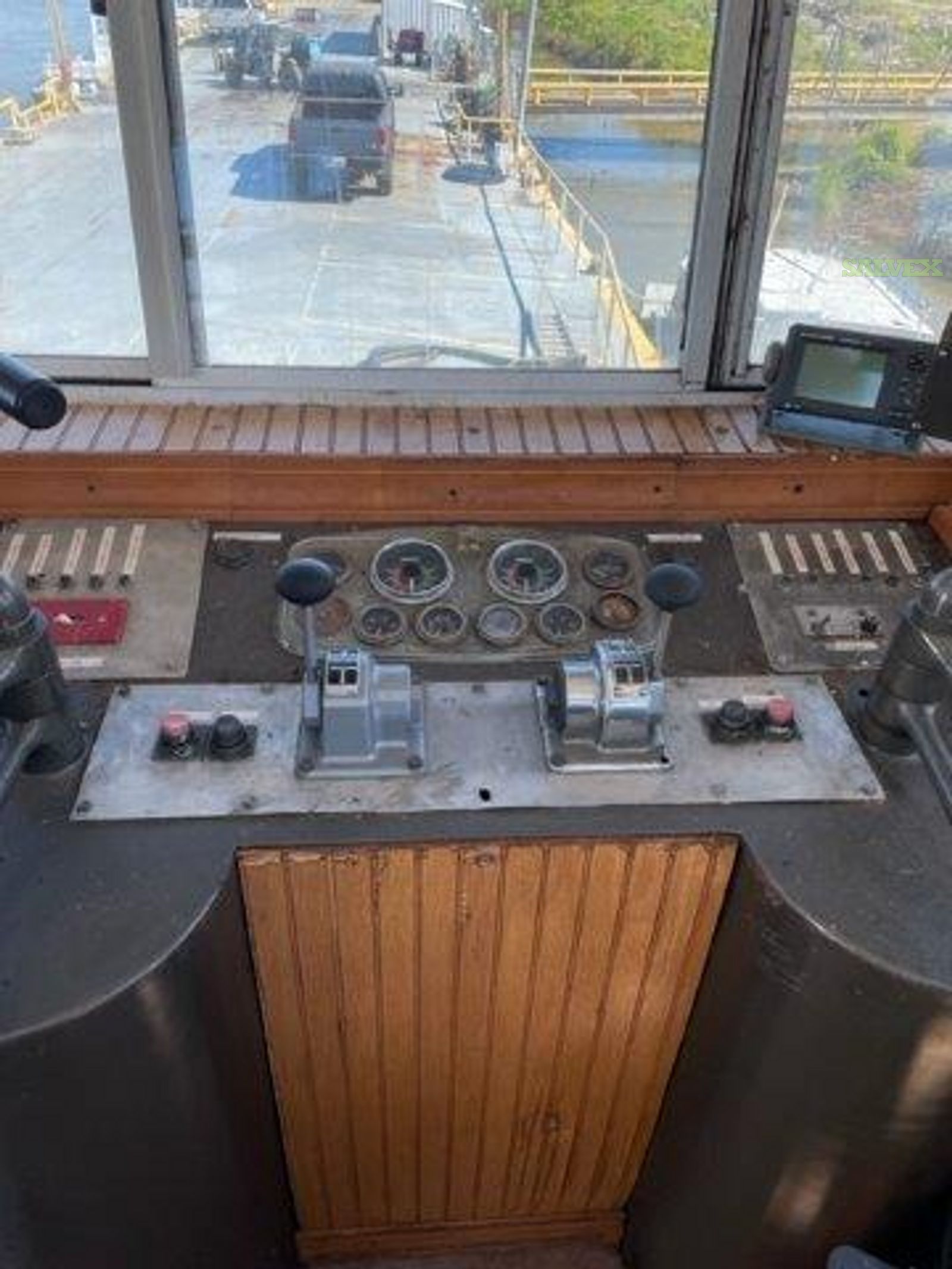
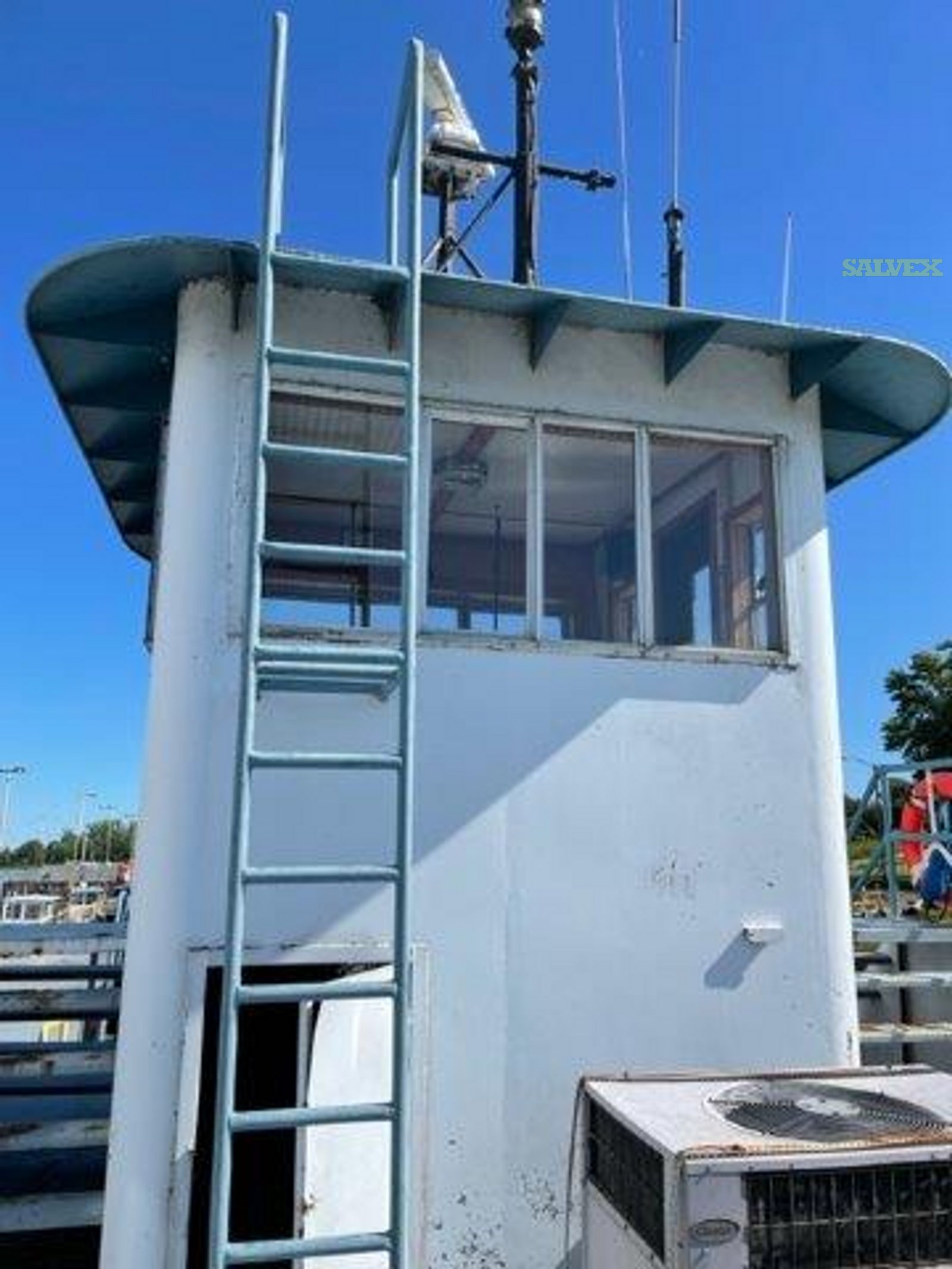
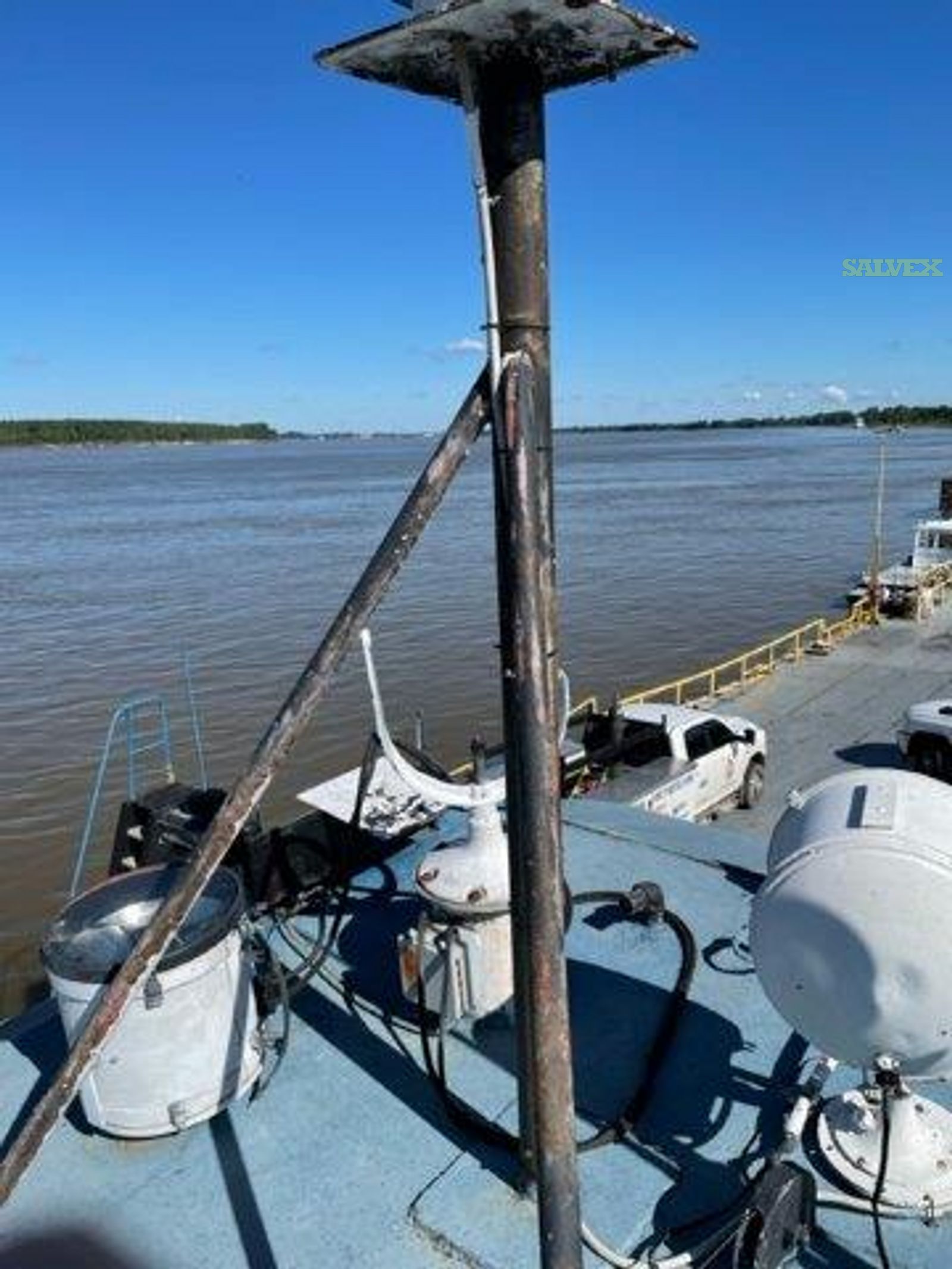
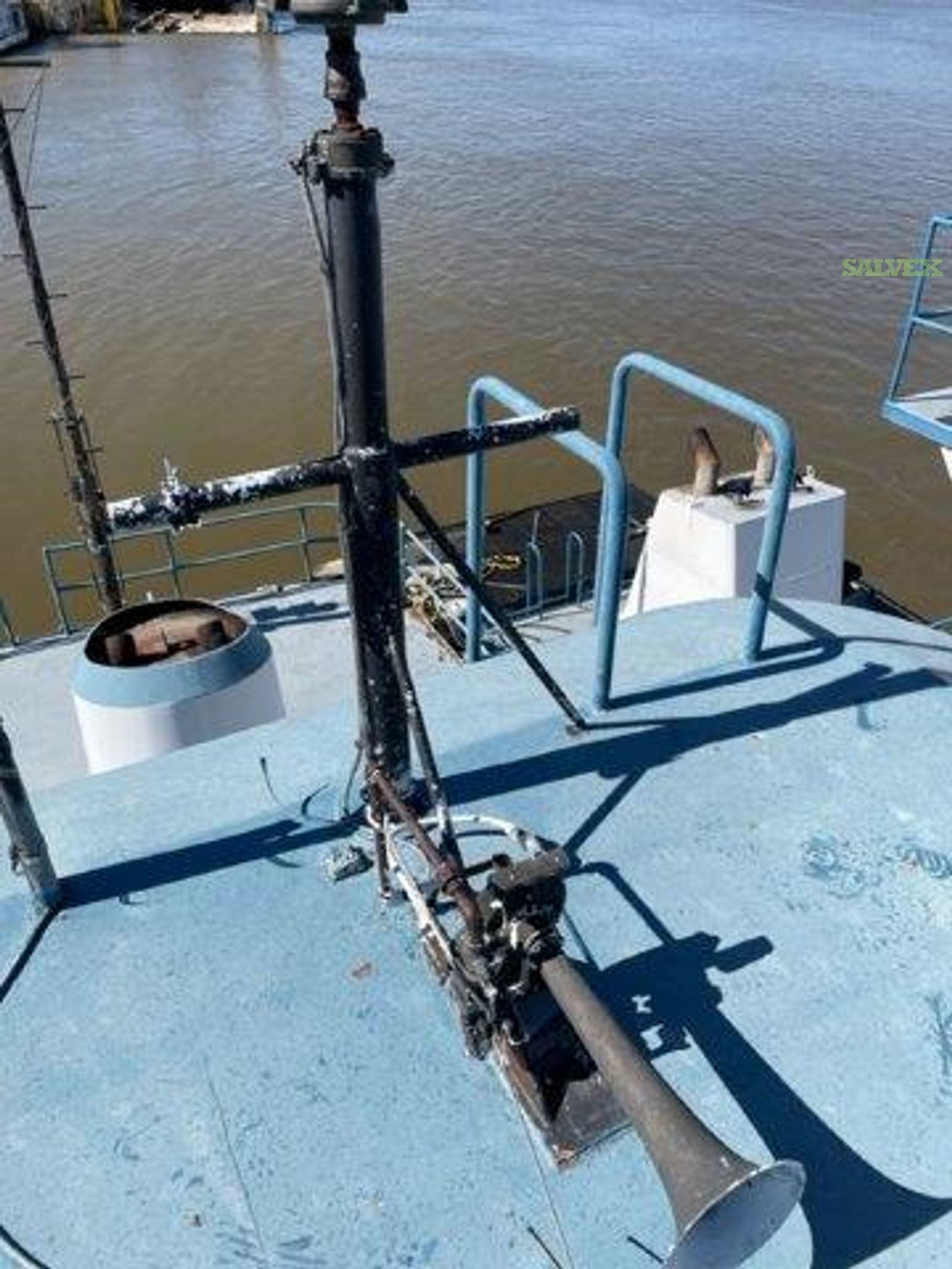
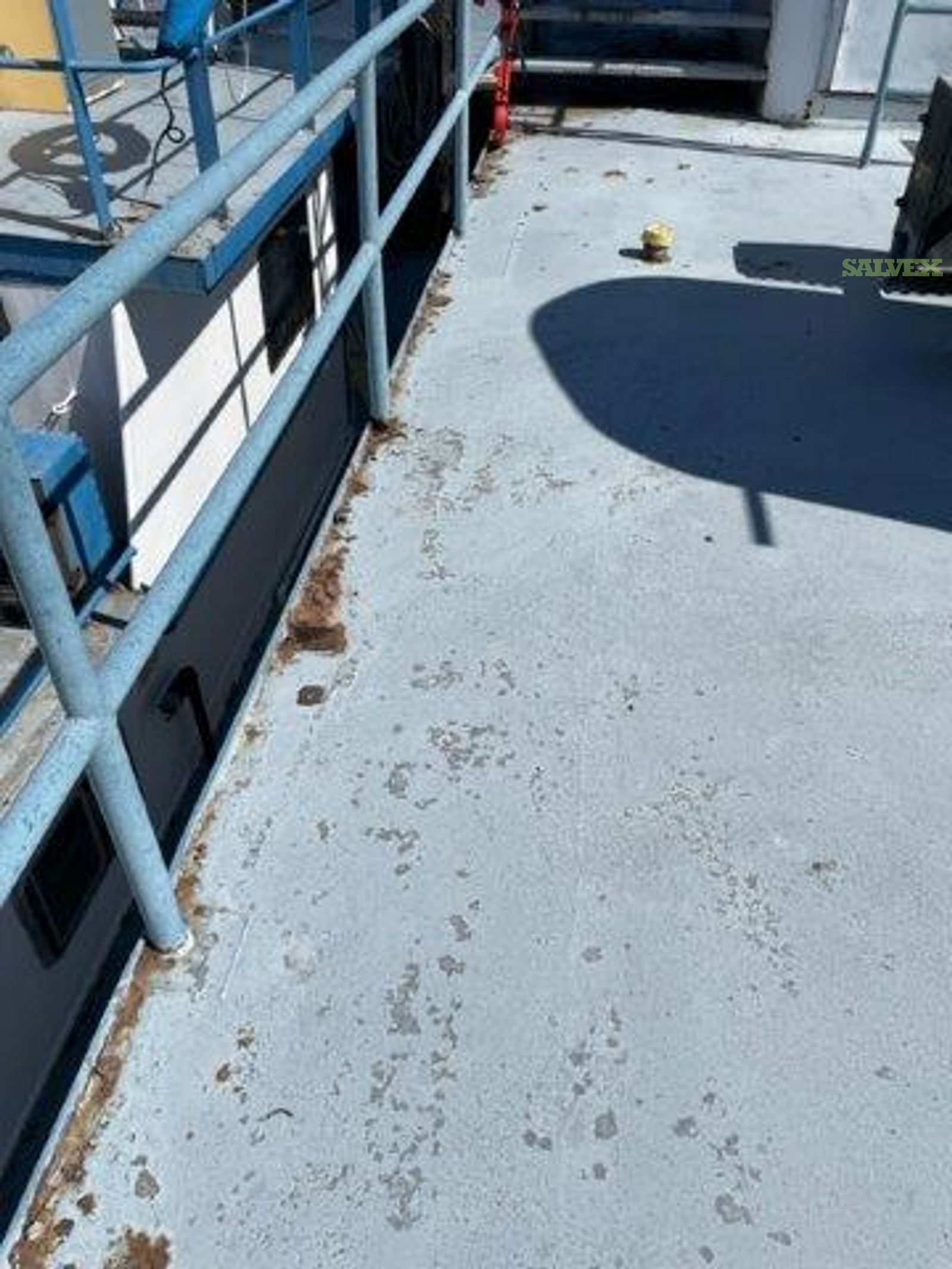
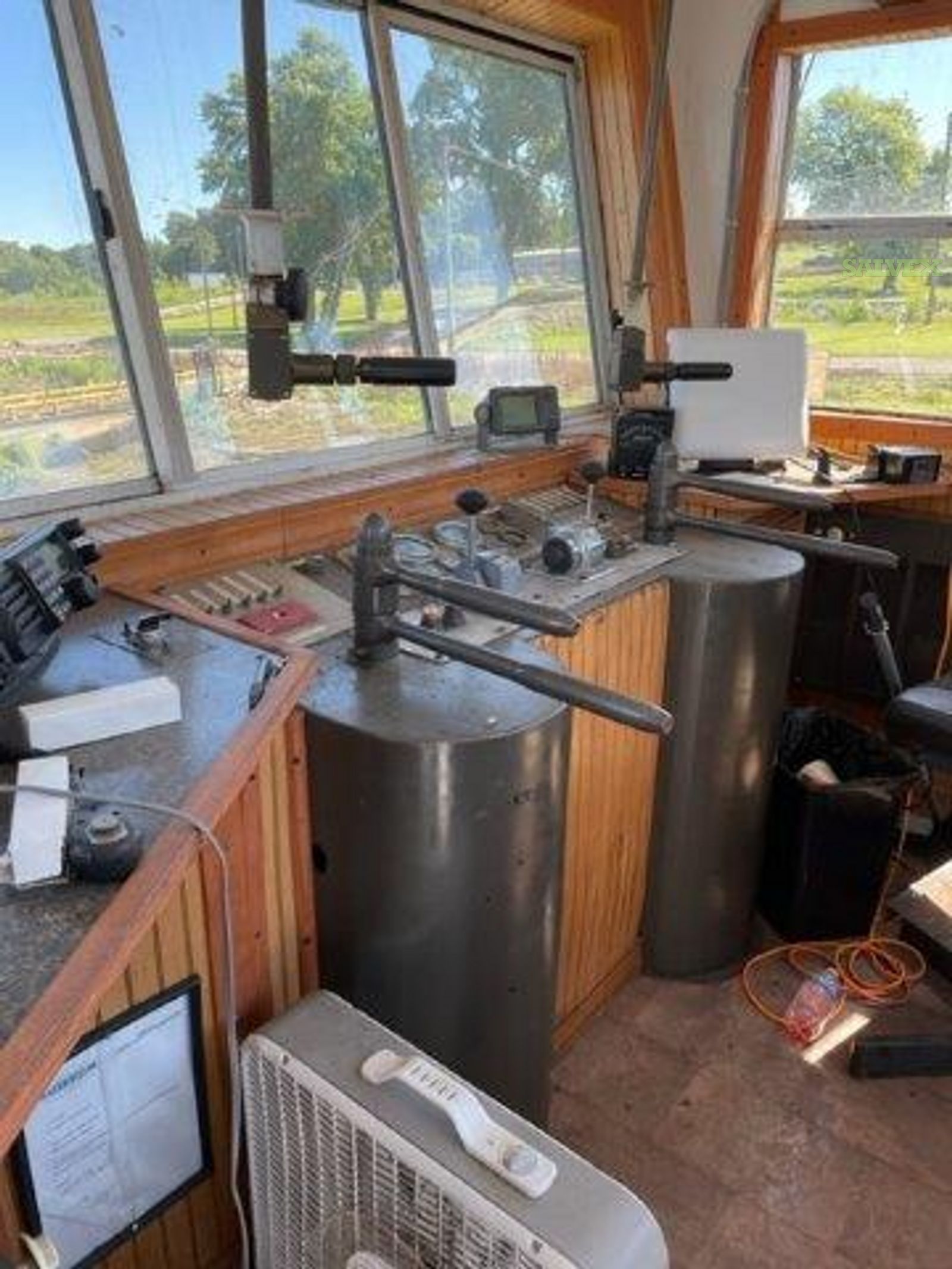
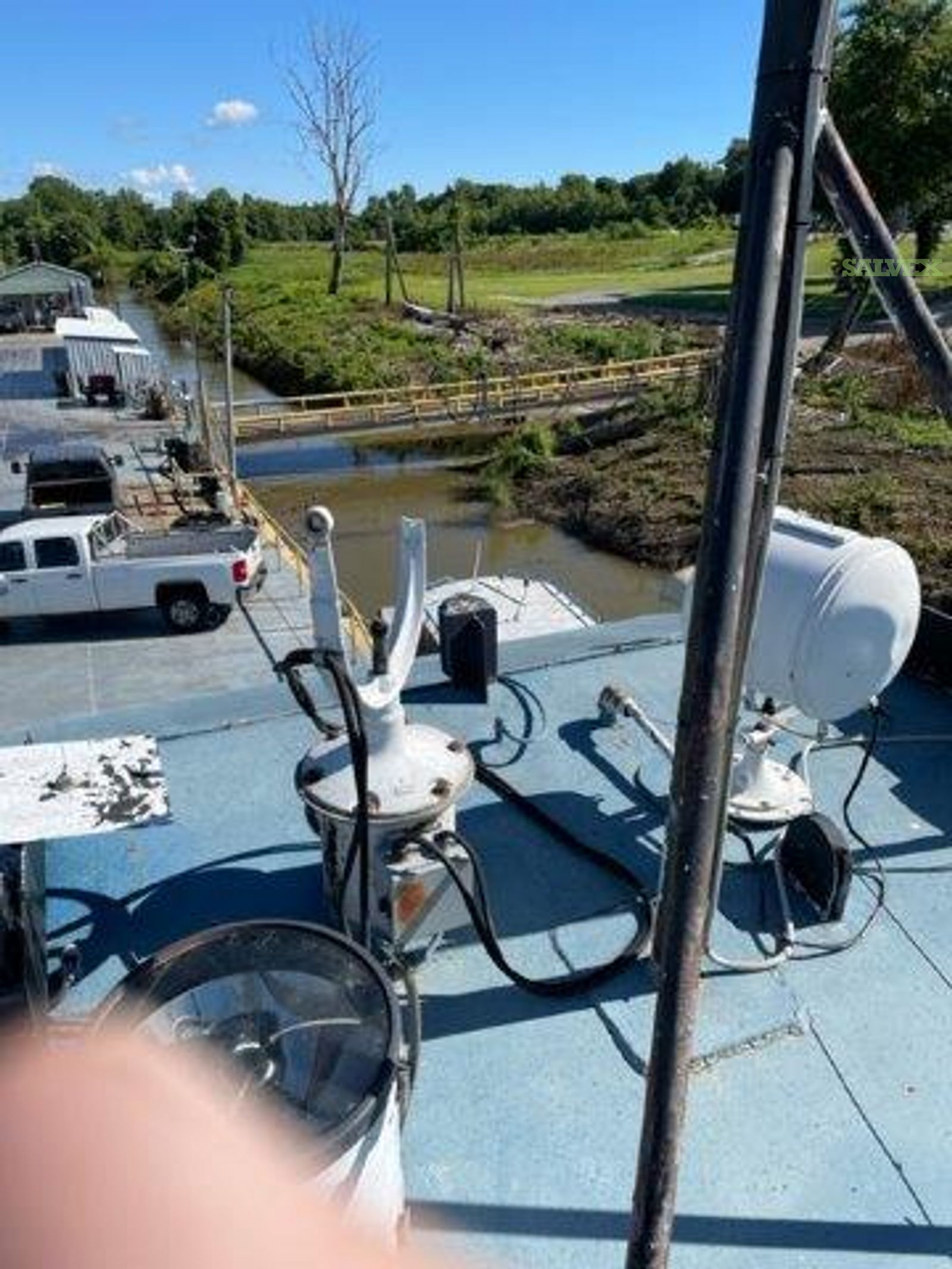
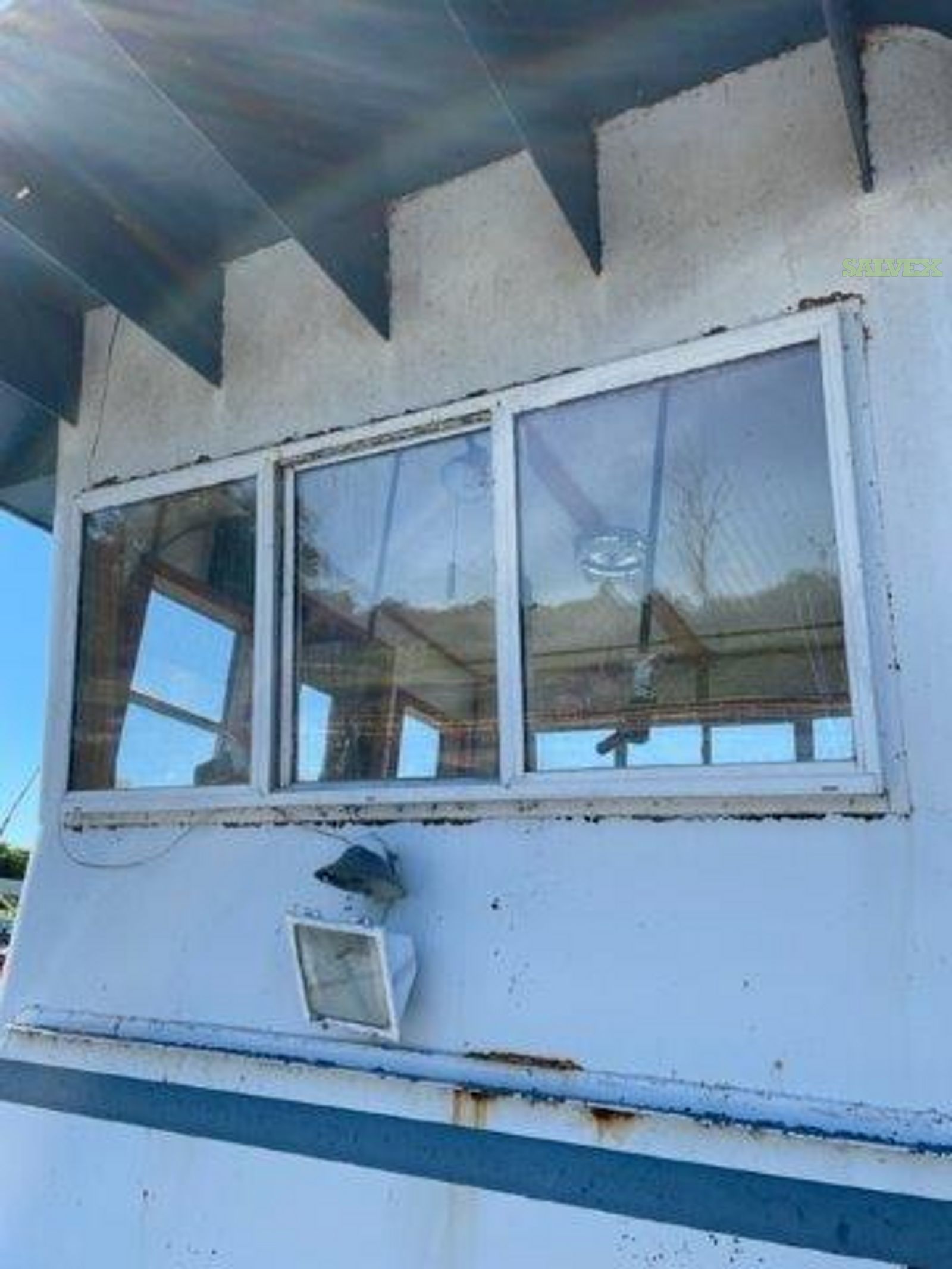
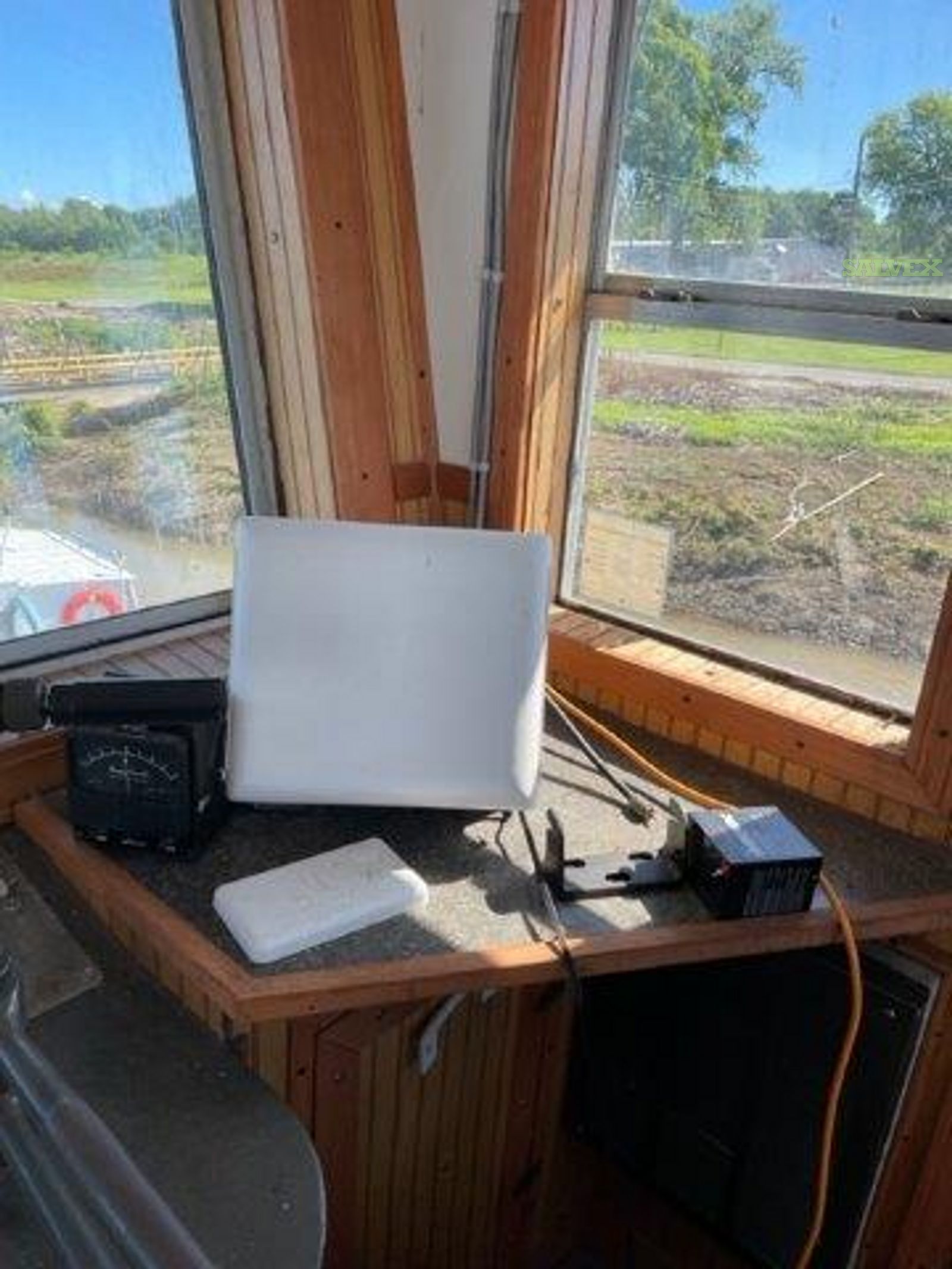
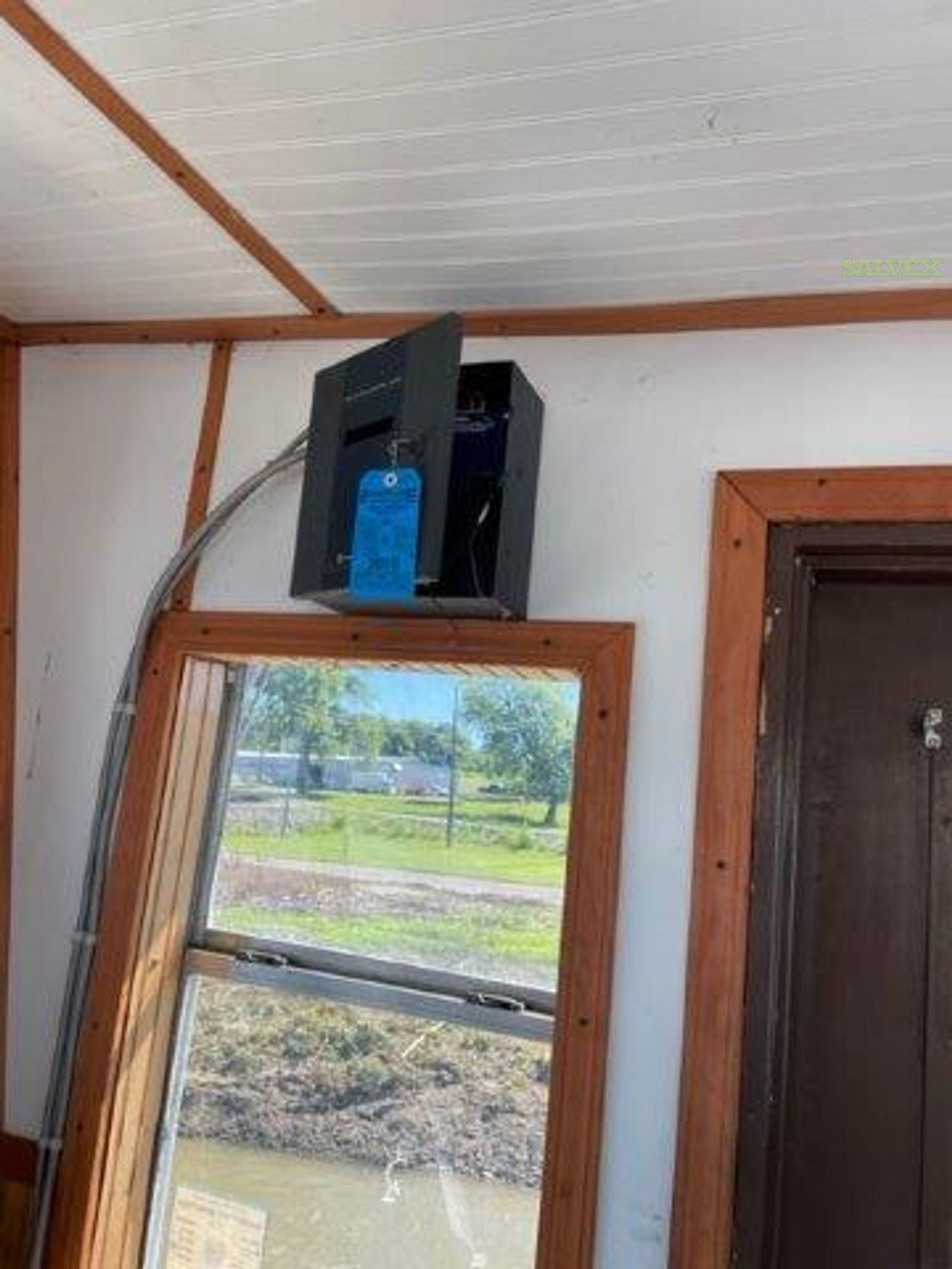
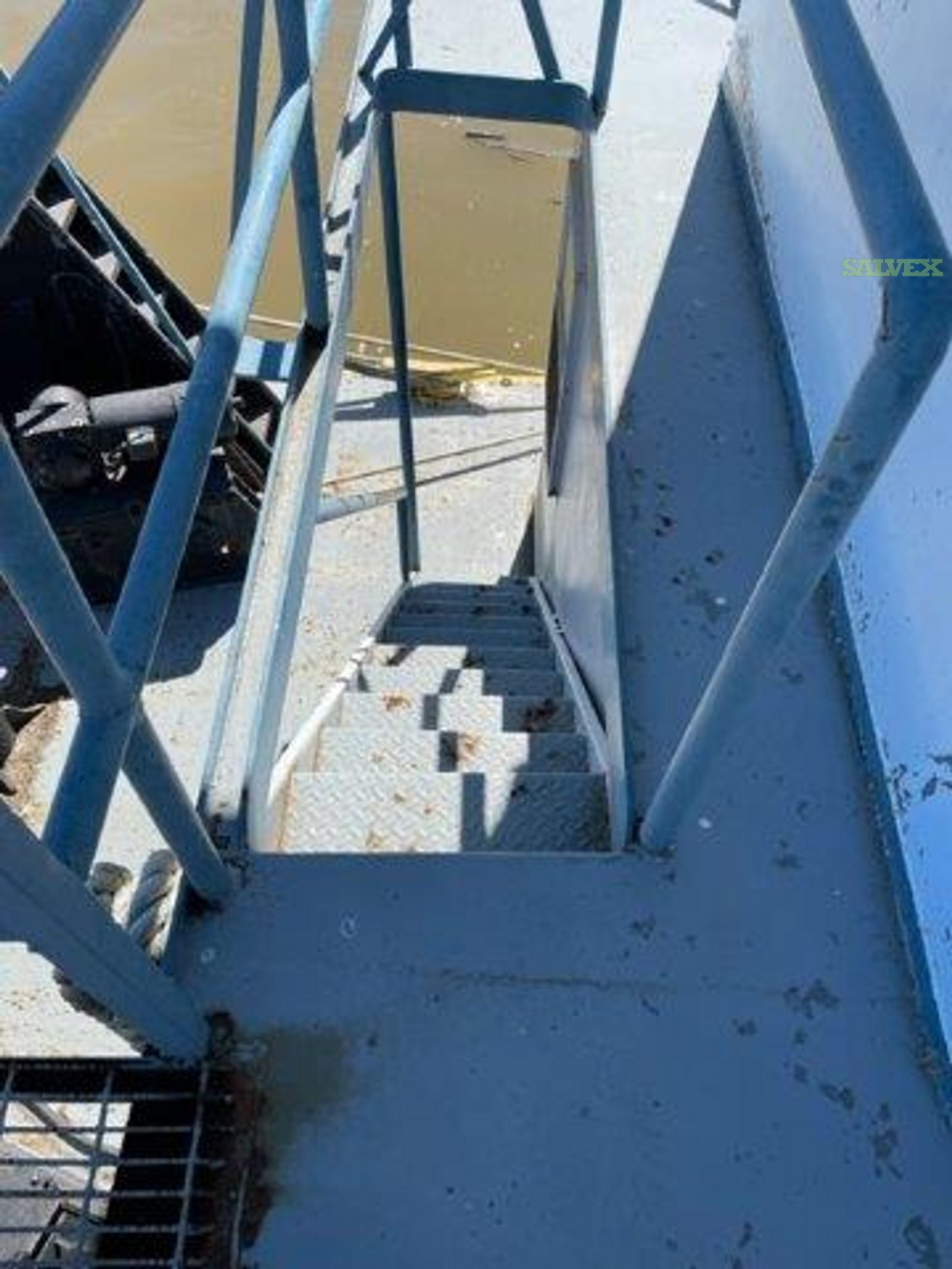
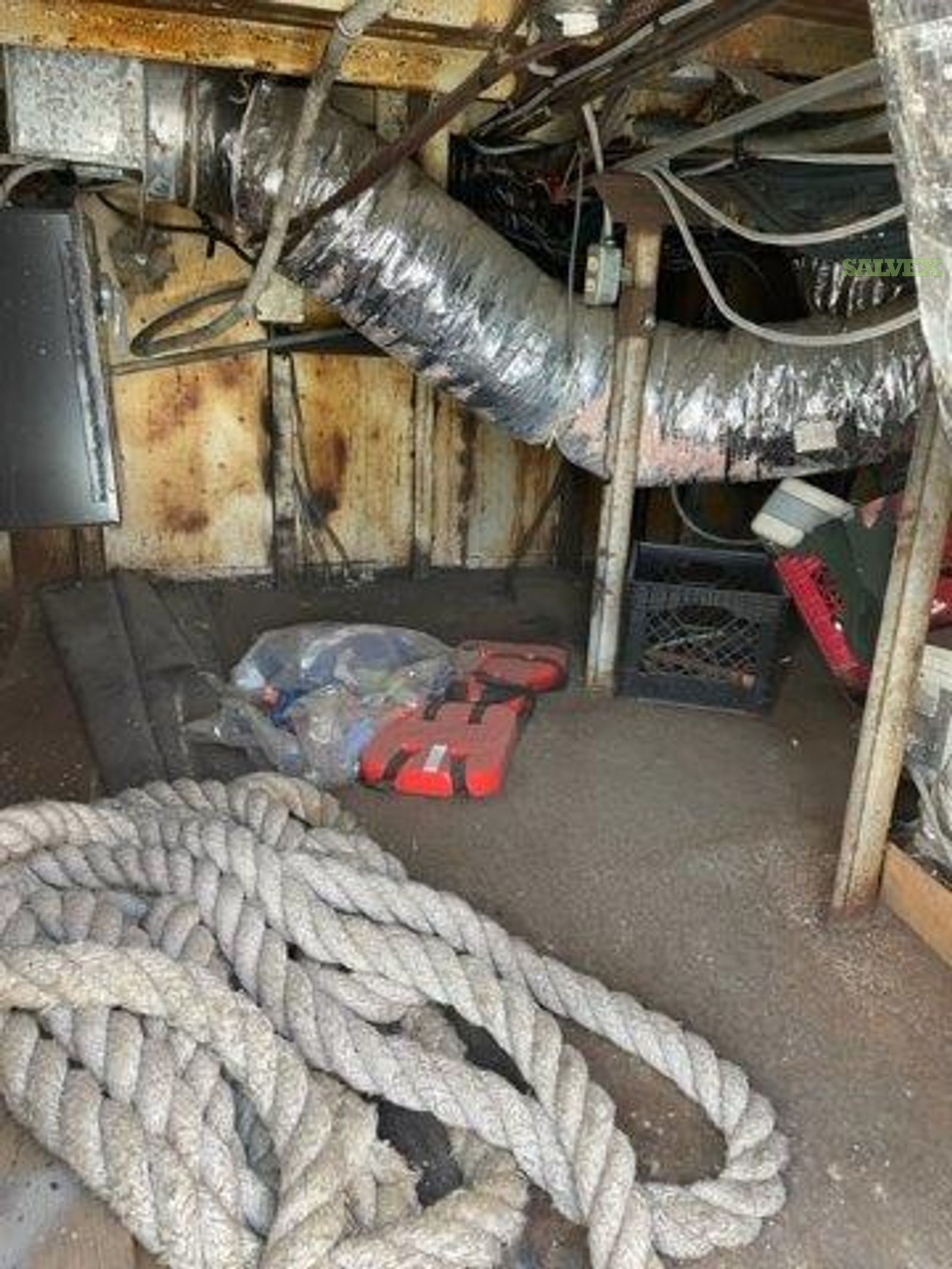
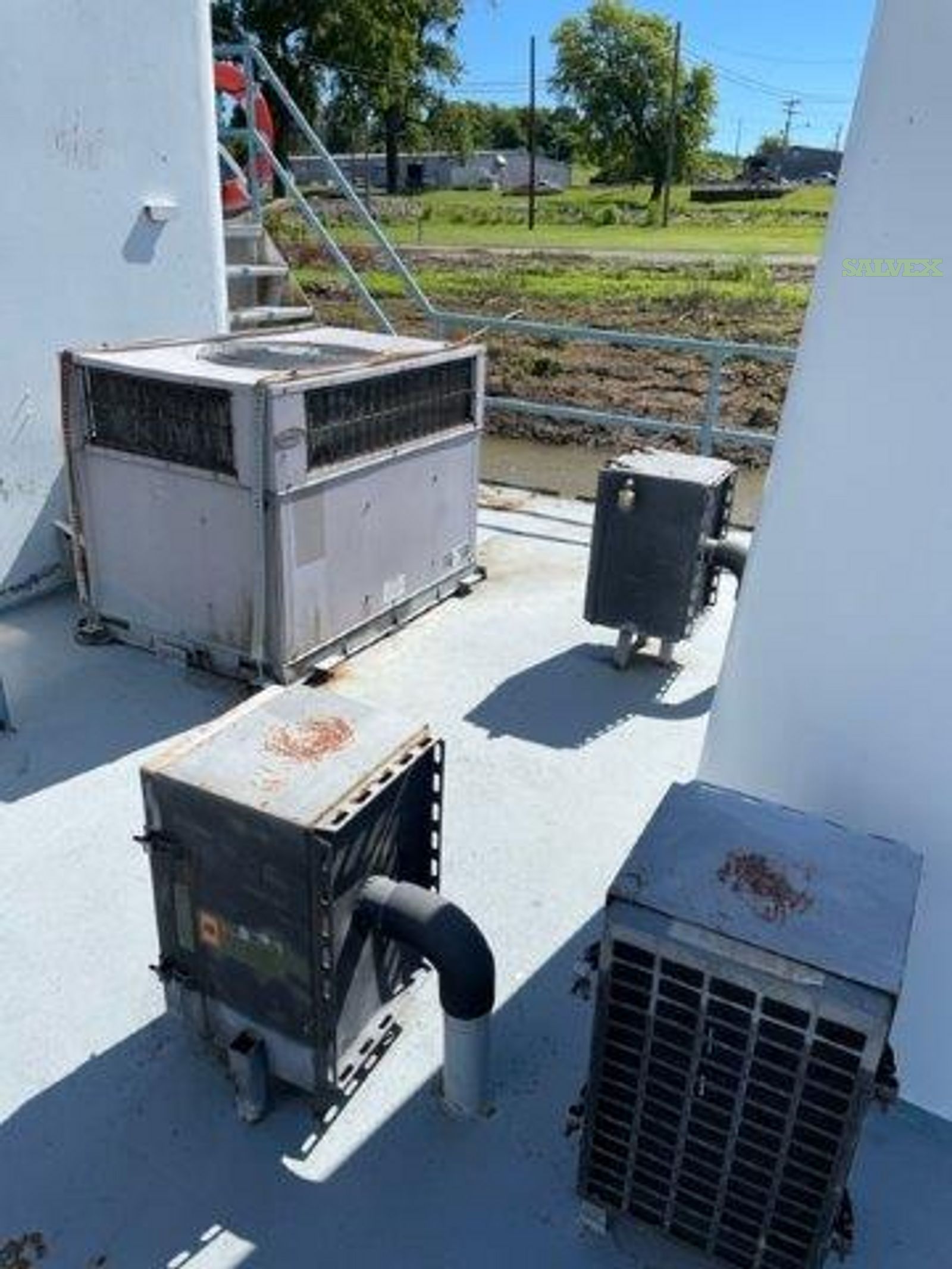
Photo Disclaimer: Photos are provided for general reference only and may not accurately represent the current condition, quantity, specifications, or exact items included in the sale. Items, equipment, accessories, components, packaging, or other property visible in the photos may not be included in the sale. Photos may also be outdated, representative, or supplied by third parties. Buyer inspection and independent verification are strongly recommended before purchase. Buyers should rely on the confirmed sale terms and independently verify what is included before making a purchasing decision.
Attention
No longer available.Harbor Tug - Scrap (55 Tons) Share with Buyers
-
-
Welcome to Salvex Marketplace where you can buy surplus, salvage, and discounted ship breakers and scrap vessels as part of a commercial repurposing strategy.
Item Description
This Harbor Tug is no longer needed for company's own operation and is being sold as an asset liquidation for its owner.
- GROSS TONS: 55
- NET TONS: 37
The vessel was found to be an all steel, welded, twin screw, diesel-powered, twin deck with pilothouse, river type towboat built in 1964 by LeMay Barge & Supply, Greenville, MS. It was powered by Detroit Diesel engines, which developed a total of 800 horsepower through Twin Disc reverse/reduction gears with ratios of 4.13:1. Approximate hull dimensions were 48.1' x 17.9'.
Navigation Equipment
The navigational equipment operational conditions were unknown at the time of the survey:
Pilothouse Roof
- One (1) Carlisle & Finch, 14” incandescent searchlight (removed from the stand)
- One (1) 14” searchlight (manufacturer unknown)
- One (1) single trumpet air horn mechanically operated
- Two (2) Perko navigation lights with enclosure, one each to the port and starboard
- One (1) 8” loudhailer speaker
- One (1) 48” aft mast with Perko navigation lights
- One (1) centerline stanchion for a radar unit (the radar unit had been previously removed)
- Five (5) antennas
Pilothouse Interior
The pilothouse was constructed with a 4’ steel formed console along the centerline with the following navigation equipment:
- One (1) Koden, m/n: MDC-921 radar display unit and scanner
- Two (2) each steering and flanking steering sticks
- Two (2) Rexroth throttle controls
- Two (2) toggle switch light panels, one to each side port and starboard
- Two (2) steering pump button switches, one to each side port and starboard
- One (1) forward gauge cluster (operability unknown)
- Two (2) wood cabinets, one to each side port and starboard of the console
- One (1) Standard Horizon VHF loudhailer
- One (1) Carlisle/Finch searchlight control panel
- One (1) Swing Guard swing meter
The marine coatings were faded and appeared to be 90% intact.
Pilothouse Interior
Bulkheads and overheads fitted with beadboard wooden paneling, wooden trim work, and linoleum tile floor, with the following fixtures and equipment:
- One (1) wooden settee with cushion across the aft width
- Two (2) wall-mounted electric heaters
- One (1) Notifier Fire Alarm Panel (appeared to be inoperable)
The housekeeping was poor mainly due to the vessel being out of service for several years.
Pilothouse Exterior
The pilothouse exterior was equipped as follows:
- The pilothouse had a 42” sunshade across the forward with 20” sunshade around the port, starboard and aft.
- Double tier 36” tubular handrail around the perimeter.
- One (1) 36” sliding aluminum frame window across the forward width.
- Both the port and starboard sides had one (1) 24” steel access door with an upper window mounted in a rubber gasket along the centerline. Two (2) double-hung aluminum frame windows, one each forward and aft of the access door.
- One (1) 36” sliding aluminum frame window across the aft width.
- One (1) 8” Appleton electric halogen flood light (broken)
- One (1) 8” ships bell
Note: Both the port and starboard had a platform outside the pilot house door, and each had five (5) steel steps stairway descending forward and aft down to the electronics room deck.
The marine coatings were faded and appeared to be 90% intact with minor corrosion around the window frames, platform, and stair treads.
Electronics Room Interior
The electronic room was immediately below the pilothouse and was 3’6” in height. The room was unsheathed with marine coating. The room contained the HVAC ducts, Carlisle and Finch searchlight power supply box, and miscellaneous wiring.
The housekeeping was poor mainly due to the vessel being out of service for several years.
Aft Second Deck above Engine Room
The following equipment and structures were found on the deck space immediately above the engine room:
- One (1) exhaust stack is located along the centerline.
- Four (4) fresh air intake boxes
- One (1) Carrier HVAC unit
- One (1) 10’ mast with Perko navigation lights centerline to the aft.
- Double-tiered 36” handrail around the perimeter.
- One (1) ladder to the starboard aft descending to the main stern deck
The marine coatings were faded and appeared to be 90% intact with medium corrosion and blistering along the outboard 4” along the toe kick and handrail stanchions.
Note: one (1) 4” circular wastage hole was noted to the port, 4” inboard the toe kick, and 24” aft the aft lower stairway step.
Main Deck
General conditions about the Main Deck were:
The main deck superstructure was painted white, and the deck was painted with gray with non-skid coating. The main deck marine coatings were appeared to be 90% intact. Corrosion and blistering were noted throughout the superstructure and deck.
Deck Equipment and Fittings
- Steel constructed, rubber faced, single towknees to each side, fitted with aft steps, inboard vertical handrails, and two outboard rigging storage hooks, one to each towknee.
- A 14” high, steel constructed, single-skin, splashboard between the towknees.
- One (1) 2’8” high H-bitt made from 9” pipe on centerline
- Two (2) M.W. Patterson, powered deck winch fitted with 1” Amsteel line to each quarterdeck.
- One (1) 24” x 24” access hatch to centerline to the bow void/storage.
- Six (6) 24” cavels, three (3) to each side
- Two (2) 8” self-aligning roller chocks, one to each side
- Two (2) 24” high, steel framed platform with steel decking inserts over the steering gear.
- Steering gear, which included all rams, quadrants, jockey bars and hydraulic hoses.
The main work deck was generally clean, uncluttered, and free of trip hazards.
Engine Room
The Upper Engine Room unsheathed steel overhead and bulkheads with marine coatings. A walkway extended for the length of the Upper Engine Room and was enclosed to forward by a two-tier pipe handrail. The Upper Engine Room was outfitted with the following:
- Two (2) 10lb CO2 fire extinguishers
Main Engines: 8V-71 Detroit Diesel
The Main Engines were battery started, keel cooled and coupled to Twin Disc reverse/reduction gears, with ratios of 4.13:1.
Port ME Hours: unknown
Starboard ME Hours: unknown
The Generators were battery started and keel cooled.
Generators: Detroit Diesel – model unknown
Port Generator Hours: unknown
Starboard Generator Hours: unknown
The visible wiring, switchboard, breaker boards, switches, fixtures, etc. appeared to be properly installed, grounded and in fair order.
The bilge system was powered by way of a Dayton 2-hp electric centrifical pump.
The steering system was actuated by a steering pump powered by a 5-hp Baldor electric motor.
The vessel was fitted with all necessary auxiliary pumps and electric motors as needed for safe operation of the vessel.
General conditions noted about the Engine Room were:
The exposed steel overhead and bulkheads were painted white, and the steel diamond plate deck was painted gray. The engine room was generally clean with exception of a light oily film and bilges contained approximately 2” of an oily water mixture.
An internal examination of the visible hull plates, associated framing, bulkheads, and the above deck superstructure areas indicated that the vessel was suitably constructed for its intended service.
The visible exterior hull plates and rub rails showed many random indentations of up to 0-3" in depth with no one area worthy of specific mention.
Note, at the time of the survey, it is to be noted that it is unclear to as the last time the engines and generators were run.
Safety, Lifesaving & Firefighting
A visual examination of the interior and exterior cabin areas indicated an adequate number of portable dry chemical and ABC fire extinguishers tagged February 2019 unless otherwise noted herein.
The vessel was equipped with adequate life rings, though noted to be in poor condition.
| Quantity | : | 55 Tons |
| Product Location | : | |
| Condition | : | N/A |
| Condition Description | : | Scrap. Being sold "AS IS, WHERE IS". Buyer is responsible for shipping and handling. |
| | : | |
| Trader | Camila Chiovato +18326990216 | |
| Seller | : | |
| Seller Industry | : | |
Seller Terms
- Salvex and the seller have the right to reject any and all offers.
- This product is sold AS IS, WHERE IS.
- Buyer is responsible for all taxes, duties, loading and freight charges.
- Seller does not offer any warranties or manufacturer warranties.
- Upon receipt of cleared funds, Seller will provide the Buyer a Release Order for item pick up. Title transfers from Seller to Buyer upon issuance of the Release Order.
- It is Buyer's responsibility to verify quantities and condition at the time of pick up. Once the product has been removed from Seller's location, there will be no adjustments based on quantity or condition.
Salvex is a prominent global e-commerce platform specializing in the sale of surplus commercial assets. We collaborate with thousands of companies, both publicly traded and private, spanning 200 countries worldwide. Our expertise lies in repurposing metals and ship breakers and scrap vessels sourced from insurance claims, corporate surpluses, asset recoveries, bankruptcies, and natural disasters. We identify markets across North America, South America, Europe, Africa, the Middle East, Asia, and Oceania. Through our global sustainability initiatives, we contribute to environmental preservation by implementing carbon offset strategies through asset repurposing. We look forward to assisting your company in finding exceptional deals by showcasing surplus assets that align with your requirements.
Salvex handles surplus, bankruptcy, overruns, obsolete inventory, disposal, insurance claims, online auctions, liquidation sale, foreclosure, lockout, seized, scrap, salvage, new, used, damaged, refurbished, and asset recovery.
Repurposing commercial assets creates carbon offsets and sustainability corporate solutions.